
Cold Therapy and Testosterone: What Ice Baths and Cold Showers Really Do
Ice baths and cold showers are widely promoted for recovery, energy, and hormone support—but how much do they truly affect testosterone levels? Learn how thermal regulation, testicular temperature, and cold exposure influence hormone signaling, what the science actually supports, and where cold therapy fits realistically into men’s hormone health.
Why Cold Exposure and Temperature Matter for Testosterone
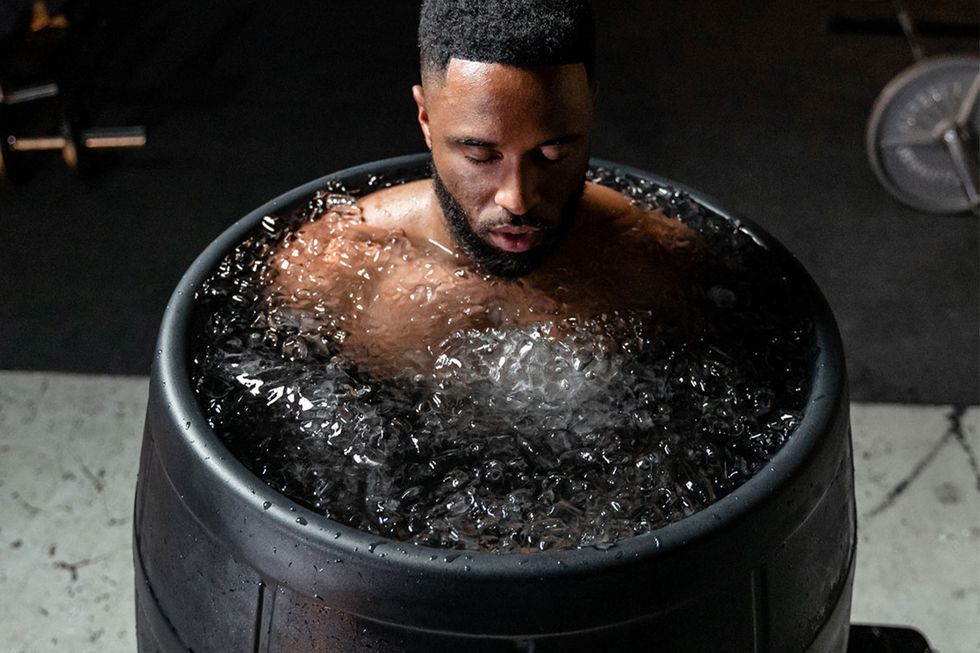
Ice baths and cold showers are often promoted as ways to improve energy, recovery, and testosterone levels. While hormone health does depend on properly functioning testicles, one commonly overlooked factor is temperature regulation. The testes are positioned outside the body because normal function requires a slightly cooler environment than core body temperature.
When testicular temperature rises—such as with chronic heat exposure—hormone signaling and reproductive function may be negatively affected. Cold exposure does not directly “fix” low testosterone, but understanding how thermal balance influences hormone physiology helps explain where cold therapy may be supportive and where expectations should remain realistic.
How Cold Exposure Interacts with Testosterone Physiology
Understanding temperature regulation, recovery stress, and realistic expectations around cold therapy.
Cold therapy—including ice baths, cold plunges, and cold showers—has become a popular wellness practice for recovery, circulation, and energy. One frequently promoted claim is that cold exposure can significantly increase testosterone levels. While temperature does influence testicular function, the relationship between cold therapy and long-term hormone changes is more nuanced than many headlines suggest.
Why Temperature Matters for Testosterone
Testosterone production depends on properly functioning testicles, which require a slightly cooler environment than core body temperature. Chronic heat exposure can disrupt hormone signaling and reproductive function, making thermal regulation an important—though often overlooked—factor in men’s hormone health.
How Cold Exposure May Influence Hormone Balance
Temporary Nervous System Activation
Cold exposure stimulates the nervous system, increasing adrenaline and noradrenaline. These responses can boost alertness and energy temporarily but do not reliably raise baseline testosterone levels.
Support for Circulation and Recovery
Cold therapy may help reduce inflammation and muscle soreness after exercise, indirectly supporting recovery. Improved recovery can help maintain healthy hormone balance over time.
Protection from Excess Heat
Avoiding prolonged heat exposure may be more impactful for testicular health than aggressive cold exposure. Cold showers may help maintain normal thermal balance rather than dramatically altering hormones.
Stress and Cortisol Considerations
Cold exposure is a physical stressor. Excessive or prolonged exposure may increase cortisol, which can counteract testosterone production if recovery is inadequate.
Cold Therapy: Benefits vs Limitations
| Potential Benefit | What the Evidence Suggests |
|---|---|
| Improved Recovery | May reduce soreness and inflammation after exercise |
| Testosterone Boost | No consistent evidence of sustained increases |
| Thermal Balance | Helps avoid excess heat exposure |
| Overuse Risk | Excess stress may blunt exercise-related hormone responses |
Why Cold Therapy Is Not a Testosterone Treatment
While cold exposure can complement recovery and resilience, it does not correct underlying hormone deficiencies. Sustainable testosterone support requires adequate sleep, resistance training, proper nutrition, stress management, and addressing medical or nutrient-related causes when present.
Using Cold Exposure Safely and Strategically
Cold therapy may be helpful when used in moderation. Individuals should consider personal tolerance, recovery needs, and overall health status. Those with cardiovascular conditions or hormone concerns should consult a healthcare provider and speak with a pharmacist before adopting aggressive cold exposure routines.
Applying Cold Therapy the Right Way for Hormone Health
How to think about cold exposure realistically—without overstressing the body or chasing hype.
Why Heat Avoidance Often Matters More Than Extreme Cold
While cold therapy may offer modest benefits, avoiding chronic heat exposure is often more relevant for supporting normal testicular function. Prolonged heat can raise testicular temperature, interfering with hormone signaling and reproductive physiology.
Common contributors to excess heat exposure include frequent hot tub or sauna use, placing laptops directly on the lap, wearing tight or restrictive clothing, and extended sedentary sitting. Reducing these stressors may support hormone balance more reliably than aggressive cold exposure.
Cold Showers vs Ice Baths: Choosing a Sustainable Approach
Cold showers offer a gentler form of cold exposure and are easier to incorporate into daily routines. They may support circulation, mental resilience, and thermal balance without placing excessive stress on the nervous system.
Ice baths, on the other hand, expose the body to intense cold over a short period. While useful for post-exercise recovery in some individuals, frequent or prolonged use may blunt beneficial training adaptations and increase cortisol if recovery is insufficient.
Stress, Recovery, and Hormonal Balance
Cold exposure is a form of physical stress. In moderate amounts, stress can be adaptive and support resilience. In excess, it may strain the body and counteract testosterone production by increasing cortisol.
Individual tolerance varies significantly. What feels energizing for one person may feel draining for another. This is why consistency, moderation, and recovery quality matter more than intensity.
Pharmacist Guidance on Hormone-Supportive Strategies
At Rock Ridge Pharmacy, our pharmacists help patients evaluate evidence-based approaches to hormone health. This includes reviewing supplements, medications, lifestyle factors, and recovery strategies that may influence testosterone and overall endocrine balance.
Cold therapy may complement a broader plan, but it cannot replace foundational strategies such as adequate sleep, resistance training, proper nutrition, stress management, and addressing nutrient deficiencies or medical conditions when present.
Evidence-Based Hormone Guidance at Rock Ridge Pharmacy
Helping men understand cold therapy, recovery, and realistic hormone support
Why a Balanced Approach to Testosterone Matters
At Rock Ridge Pharmacy, we help patients look beyond trending wellness practices and focus on what truly supports hormone health. While cold therapy may play a role in recovery and thermal balance, it is not a standalone solution for low testosterone or hormone-related concerns.
Our pharmacists work with healthcare providers to evaluate the full picture—sleep quality, stress levels, nutrition, exercise habits, heat exposure, supplements, and medications that may influence testosterone and overall endocrine function. This evidence-based approach helps patients make informed, sustainable decisions rather than relying on hype-driven solutions.
Frequently Asked Questions (FAQ)
Can cold therapy really increase testosterone?
Cold exposure may trigger short-term stress responses, but there is no consistent evidence that ice baths or cold showers cause sustained increases in baseline testosterone levels.
Why does temperature matter for testosterone production?
Testosterone production depends on healthy testicular function. The testes require a slightly cooler environment than core body temperature, which is why chronic heat exposure can impair hormone signaling and reproductive health.
Do ice baths affect hormones after exercise?
Ice baths may reduce inflammation and soreness after workouts. However, frequent use immediately after resistance training may blunt some exercise-related hormone adaptations, including testosterone responses.
Are cold showers better than ice baths for hormone health?
Cold showers are a gentler form of cold exposure and may support circulation and thermal balance without placing excessive stress on the nervous system. Their benefits are indirect and supportive, not corrective.
Can cold therapy reduce heat-related hormone stress?
Yes. Cold exposure may help counteract excessive heat exposure, which can negatively affect testicular temperature. Avoiding chronic heat is often more impactful than aggressive cold exposure.
Is cold exposure considered a stress on the body?
Cold exposure is a physical stressor. In moderation, it can support resilience. In excess, it may increase cortisol, which can counteract testosterone production if recovery is inadequate.
Who should be cautious with cold therapy?
Individuals with cardiovascular conditions, circulation disorders, or hormonal concerns should consult a healthcare provider before starting aggressive cold exposure routines.
Can cold therapy replace medical treatment for low testosterone?
No. Cold therapy may complement recovery and wellness routines, but it does not replace medical evaluation, hormone testing, or evidence-based treatment for low testosterone.
What lifestyle factors matter more than cold therapy?
Sustainable testosterone support depends on sleep quality, resistance training, nutrition, stress management, and correcting nutrient deficiencies. Cold exposure is only one small piece.
Where can I get guidance on hormone health and recovery strategies?
Rock Ridge Pharmacy provides pharmacist-guided support for hormone health, supplements, medications, and lifestyle strategies based on current evidence.
Exploring Cold Therapy for Energy or Recovery?
Ice baths and cold showers are popular for recovery and resilience, but they are not a cure-all for low testosterone. Temperature regulation, stress balance, sleep quality, nutrition, and training habits all play a far greater role in long-term hormone health. At Rock Ridge Pharmacy, our pharmacists help patients understand how lifestyle strategies—including cold exposure—fit into an evidence-based, sustainable approach to testosterone and overall endocrine health.
Supporting men across New Jersey — Rock Ridge Pharmacy provides trusted guidance on recovery strategies, supplements, lifestyle factors, and personalized compounding to support balanced hormone health.


