
Why Dermatologists Combine Multiple Ingredients into One Compounded Formula
Many skin conditions are multifactorial, involving inflammation, infection, abnormal skin turnover, pigmentation, and barrier disruption at the same time. Rather than relying on multiple separate products, dermatologists often use combination compounding to bring complementary ingredients together into a single, customized prescription—improving efficacy, reducing irritation, and making treatment routines easier for patients to follow.
Introduction
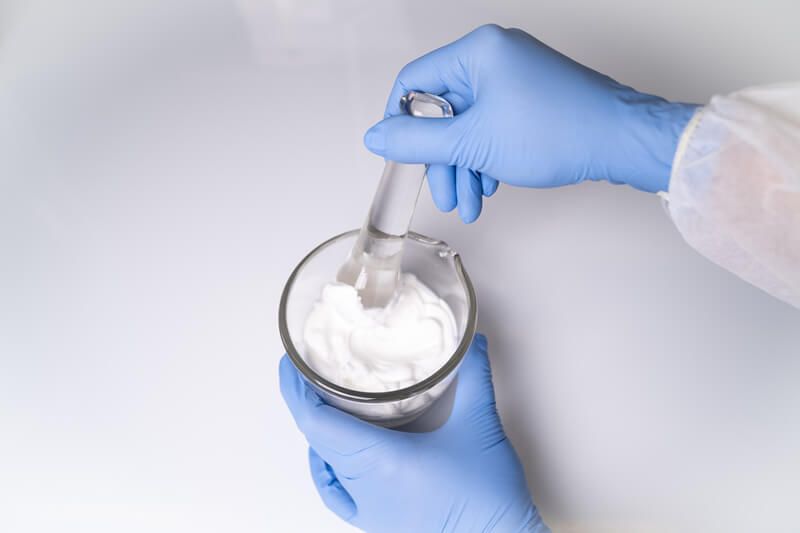
Many dermatologic conditions are multifactorial, meaning they involve more than one underlying process at the same time. Acne may include inflammation, bacterial overgrowth, and abnormal skin cell turnover. Rosacea often presents with redness, sensitivity, and inflammatory lesions. Hyperpigmentation can involve excess melanin production, inflammation, and impaired skin renewal.
Treating each of these pathways with separate products can be confusing, time-consuming, and difficult for patients to maintain consistently. This is why dermatologists frequently rely on combination compounding—the practice of incorporating multiple complementary active ingredients into a single, customized prescription. By addressing several aspects of a condition at once, compounded formulas help simplify treatment routines, improve adherence, and enhance overall therapeutic outcomes.
The Challenge of Treating Complex Skin Conditions
Many dermatologic conditions are multifactorial, meaning they involve more than one underlying process at the same time. Acne may include inflammation, bacterial overgrowth, and clogged pores, while rosacea often presents with redness, sensitivity, and inflammatory lesions.
Hyperpigmentation and melasma can involve excess melanin production, inflammation, and impaired skin turnover. Treating each of these pathways with separate products can be confusing, inconvenient, and difficult for patients to maintain consistently.
Because of this complexity, dermatologists often look beyond single-ingredient therapies.
What Does Combination Compounding Mean?
Combination compounding refers to the preparation of a single topical medication that contains two or more active ingredients, customized to a provider’s prescription and a patient’s individual skin needs.
Why Dermatologists Prefer Combination Formulas
Combination formulas allow providers to address inflammation, microbial components, abnormal skin cell turnover, pigment production, and barrier repair within a single prescription.
Simplifying treatment into one product improves patient compliance by reducing confusion, missed doses, and incorrect application—especially for chronic skin conditions.
By adjusting strengths, ratios, and bases, compounded formulas help reduce irritation while maintaining therapeutic effectiveness.
The Importance of the Base and Delivery System
• Creams for dry or sensitive skin
• Gels for oily or acne-prone skin
• Lotions or solutions for larger surface areas
• Foams for hair-bearing regions
Proper base selection improves absorption, comfort, and overall treatment success.
Who Benefits Most from Combination Compounding?
• Treatment-resistant acne
• Rosacea with multiple symptom patterns
• Melasma or hyperpigmentation
• Chronic eczema or psoriasis
• Sensitive or allergy-prone skin
• Post-procedure or scar management needs
For these patients, combination compounding often provides more consistent and tolerable results.
How Dermatologists Decide Which Ingredients to Combine
Diagnosis-Driven Selection: Ingredient choices are based on the dominant drivers of a condition, such as inflammation, microbial imbalance, abnormal keratinization, or pigment dysregulation.
Balancing Efficacy and Tolerability: Dermatologists consider not only what will work, but what the patient can realistically tolerate and use consistently.
History of Treatment Response: Prior failures, partial responses, or adverse reactions often guide how ingredients are combined and adjusted.
Why Simplification Improves Long-Term Outcomes
Even the most effective treatment fails if it is not used correctly or consistently. Combination compounding reduces the cognitive and practical burden placed on patients by consolidating therapy into a single, clearly defined regimen.
Simplified routines help reduce missed applications, incorrect layering of products, and early discontinuation— all common reasons dermatologic therapies fall short outside of clinical trials.
The Base as Part of the Treatment Strategy
In compounded dermatology, the base is not an afterthought—it directly influences how well a patient tolerates and adheres to therapy.
Why Combination Compounding Allows Ongoing Optimization
- Ingredient strengths can be adjusted as the condition improves
- Ratios can be modified based on response or irritation
- Inactive ingredients can be changed if sensitivities develop
- Therapy can evolve without restarting treatment entirely
This adaptability is especially valuable for chronic or relapsing skin conditions.
Setting Realistic Expectations for Combination Therapy
Combination compounded treatments are designed to improve outcomes over time, not overnight. Progress is often gradual as multiple contributing factors are addressed together.
Regular follow-up with the prescriber and pharmacist ensures therapy remains aligned with patient goals, tolerance, and long-term skin health.
Combination Compounding in Dermatology
Why dermatologists combine multiple ingredients into one customized formula
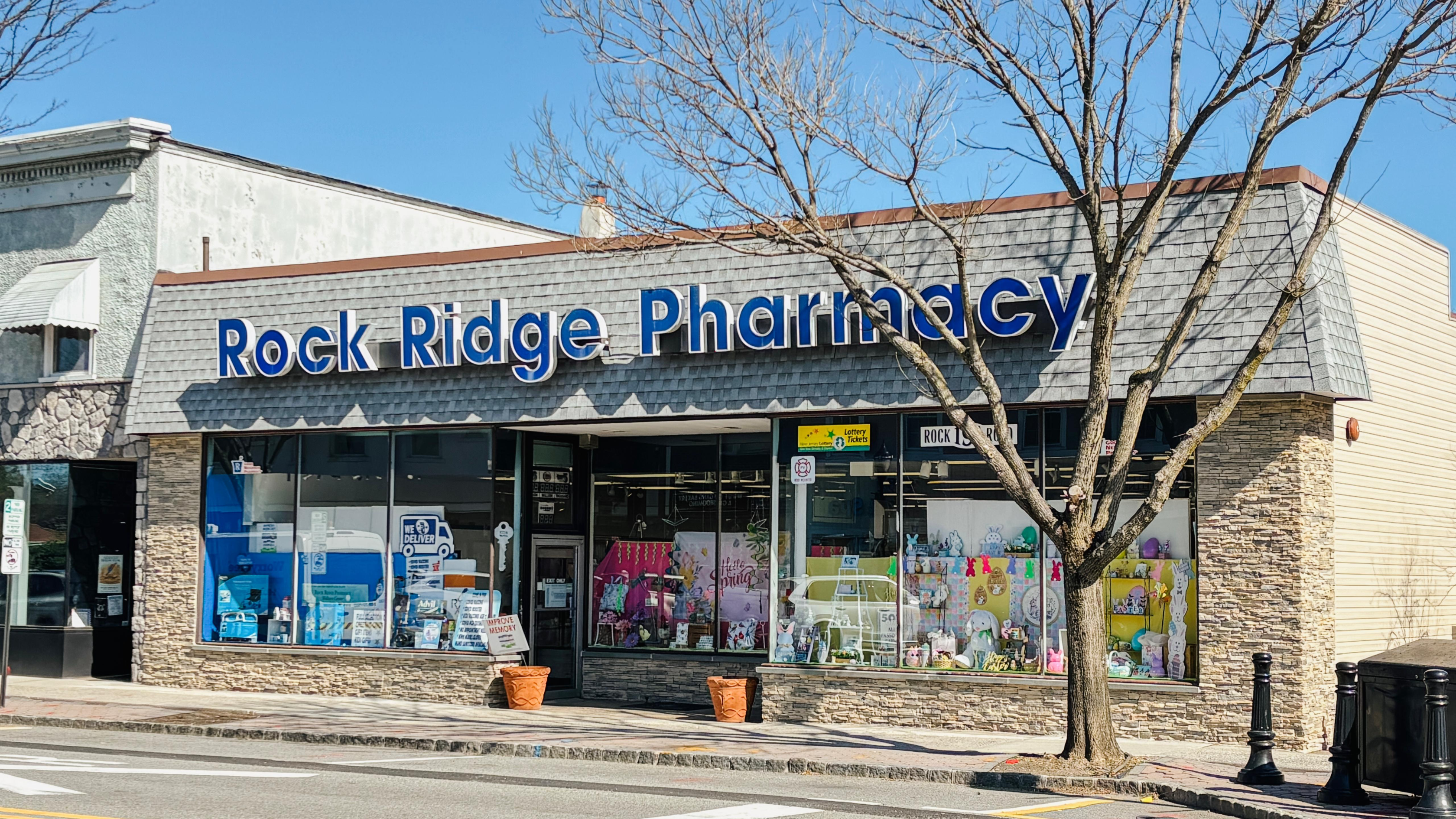
Why Choose Rock Ridge Pharmacy?
At Rock Ridge Pharmacy, we specialize in compounded dermatology that combines multiple active ingredients into a single, prescription-based formulation. Dermatologists often choose this approach when skin conditions involve more than one underlying process and commercial products are not sufficient.
Our pharmacists collaborate closely with prescribers to ensure each combination formula is clinically appropriate, chemically compatible, and tailored for patient tolerance. By adjusting strengths, ratios, and delivery bases, combination compounding helps improve adherence, reduce irritation, and support better long-term outcomes.
Frequently Asked Questions (FAQ)
What is combination compounding in dermatology?
Combination compounding involves preparing a single prescription medication that contains two or more active ingredients, customized to address multiple aspects of a skin condition at the same time.
Why do dermatologists combine multiple ingredients?
Many skin conditions involve inflammation, microbial imbalance, abnormal cell turnover, pigmentation changes, and barrier dysfunction. Combining ingredients allows these pathways to be treated together rather than separately.
How is combination compounding different from using multiple products?
Using one compounded formula simplifies treatment, reduces confusion, and improves consistency compared to managing several separate creams or gels.
Does combining ingredients increase irritation?
Not necessarily. Pharmacists can adjust concentrations, ratios, and bases to balance effectiveness with tolerability, often reducing irritation compared to layered products.
Do combination compounded medications require a prescription?
Yes. Combination compounded dermatology treatments are prepared only with a valid prescription from a licensed healthcare provider.
Can compounded formulas be adjusted over time?
Yes. One advantage of compounding is flexibility—formulas can be modified as skin response, tolerance, or treatment goals change.
Where can I obtain combination compounded dermatology treatments?
Rock Ridge Pharmacy in Glen Rock, NJ specializes in compounded dermatology and works closely with prescribers across New Jersey.
Need a Customized Dermatology Formula?
Many skin conditions involve multiple contributing factors that cannot be addressed with single-ingredient products alone. Compounded dermatology allows dermatologists to combine multiple active ingredients into one prescription—improving effectiveness, tolerability, and long-term adherence. The pharmacists at Rock Ridge Pharmacy support provider-guided combination therapy tailored to each patient.


