Veterinary Medication Shortages: How Compounding Fills the Gap
Ongoing veterinary medication shortages can disrupt treatment for pets with chronic and acute conditions. Learn how veterinary compounding pharmacies help maintain access to essential medications during supply chain challenges—ensuring continuity of care for dogs, cats, and other companion animals.
Introduction
Over the past several years, veterinary medication shortages have become an increasing challenge for veterinarians and pet owners alike. From antibiotics and pain medications to heart and behavioral therapies, supply chain disruptions can make it difficult to access essential treatments when pets need them most.
When commercially manufactured medications are unavailable or backordered, veterinary compounding plays a vital role in maintaining continuity of care. By preparing customized alternatives, compounding pharmacies help ensure pets continue receiving timely, appropriate treatment despite ongoing supply issues.
Why Veterinary Medication Shortages Happen
Veterinary drug shortages have become increasingly common and can impact both routine and critical care for pets.
Manufacturing delays, recalls, or production shutdowns
Raw ingredient shortages or supply chain disruptions
Increased demand with limited production runs
Discontinued veterinary-labeled medications
Human drug shortages affecting veterinary use
Because veterinary and human medications often share supply chains, pets are frequently affected during widespread shortages.
How Shortages Impact Pets and Veterinary Care
When medications are unavailable, treatment plans may be delayed, modified, or interrupted—posing risks for pets with ongoing or urgent medical needs.
Chronic Conditions
Heart disease, epilepsy, thyroid disorders, and other long-term conditions require uninterrupted medication access.
Acute Illness
Infections or pain conditions may worsen if therapy is delayed due to unavailable medications.
Special Dosing Needs
Pets of different sizes or species often need precise doses that may not exist commercially.
How Veterinary Compounding Fills the Gap
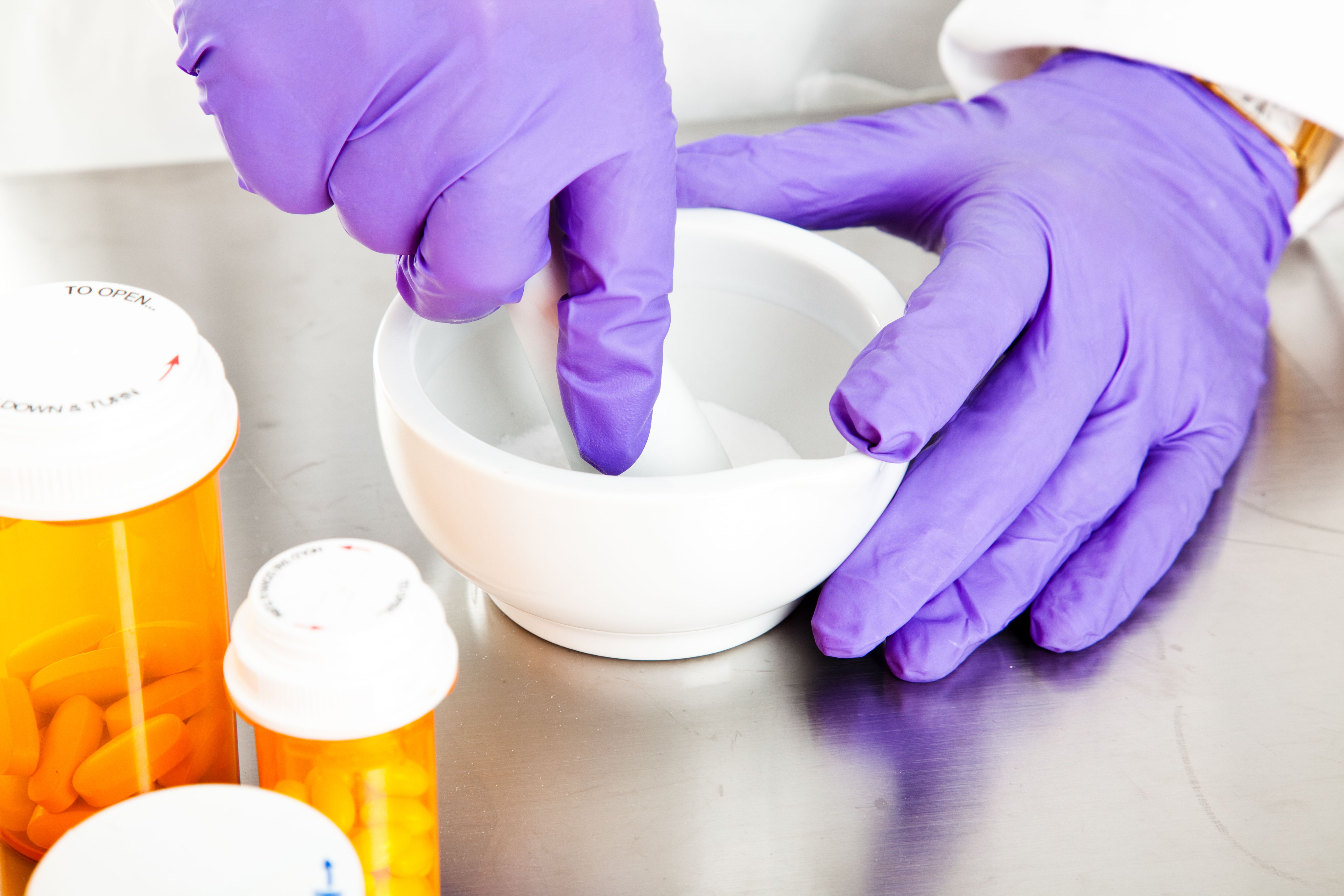
When manufactured medications are unavailable, veterinary compounding allows pharmacists to prepare customized alternatives based on a veterinarian’s prescription—helping maintain continuity of care.
Compounding Solutions During Shortages Include:
- Recreating temporarily unavailable medications
- Adjusting strengths or concentrations
- Converting medications into pet-friendly dosage forms
- Ensuring accurate dosing for small or large animals
Learn more about our veterinary compounding services for pets.
Safety, Quality, and Compliance
Veterinary compounding is performed under strict standards to ensure pets receive safe, effective therapy—even during supply disruptions.
Veterinary Compounding During Medication Shortages
Reliable solutions when commercially available pet medications are unavailable
How Compounding Helps When Pet Medications Are Backordered
Veterinary medication shortages can delay treatment for pets with chronic, acute, or time-sensitive conditions. When commercially manufactured products are unavailable or discontinued, veterinary compounding allows care to continue without interruption.
At Rock Ridge Pharmacy, our pharmacists work closely with veterinarians to prepare customized alternatives — adjusting strengths, creating appropriate dosage forms, and ensuring accurate dosing for pets of all sizes and species. This flexibility is essential during supply chain disruptions.
Frequently Asked Questions (FAQ)
Why are veterinary medication shortages becoming more common?
Veterinary drug shortages can occur due to manufacturing delays, ingredient shortages, recalls, discontinued products, or increased demand. Many pet medications share the same supply chains as human drugs, meaning shortages can affect animals as well.
What happens if my pet’s medication is backordered or unavailable?
When a commercially manufactured medication is unavailable, veterinarians may recommend compounded alternatives to avoid treatment delays and maintain continuity of care.
How does veterinary compounding help during shortages?
Veterinary compounding allows pharmacists to prepare customized versions of medications by adjusting strength, dosage form, or formulation when approved products are unavailable or unsuitable.
Is veterinary compounding legal and regulated?
Yes. Veterinary compounding is permitted under the Animal Medicinal Drug Use Clarification Act (AMDUCA) when prescribed by a licensed veterinarian and prepared by a licensed compounding pharmacy such as Rock Ridge Pharmacy.
What types of medications are commonly compounded during shortages?
Compounded medications are often used when shortages affect antibiotics, pain medications, heart and blood pressure drugs, thyroid medications, behavioral therapies, and ophthalmic treatments.
Can compounded medications be made easier for pets to take?
Yes. Compounding allows medications to be prepared as flavored liquids, chewable treats, capsules, or transdermal gels, which can improve compliance when standard tablets are difficult to administer.
Are compounded medications available for small or exotic animals?
Absolutely. Compounding is especially valuable for small, exotic, or non-traditional pets that require precise dosing not available in commercial products.
Can compounded medications replace discontinued veterinary drugs?
In many cases, yes. When a medication is discontinued or unavailable, compounding pharmacists can prepare an equivalent formulation under veterinary guidance to help maintain consistent treatment.
Do compounded medications undergo quality checks?
Yes. At Rock Ridge Pharmacy, compounded veterinary medications are prepared using high-quality ingredients, precise calculations, and standardized procedures to ensure safety and accuracy.
Do I need a prescription for a compounded veterinary medication?
Yes. All compounded veterinary medications require a valid prescription from a licensed veterinarian. Our pharmacists collaborate directly with veterinarians to confirm dosing, formulation, and administration instructions.
Facing a Veterinary Medication Shortage?
When pet medications are backordered or discontinued, veterinary compounding helps bridge the gap. At Rock Ridge Pharmacy, we work closely with veterinarians to prepare safe, customized alternatives so pets can continue treatment without interruption.
Helping New Jersey veterinarians and pet owners navigate medication shortages — Rock Ridge Pharmacy provides reliable compounded solutions when commercial products are unavailable.


