Treating Rosacea with Compounded Dermatology: A Gentler, Targeted Solution
Rosacea is more than facial redness — it is a chronic inflammatory skin condition that requires thoughtful, individualized care. Discover how compounded dermatology offers a customized approach by adjusting strengths, combining therapies, and using gentle bases designed for sensitive skin. This personalized strategy helps reduce irritation while addressing redness, inflammation, and flare-ups more effectively.
Introduction
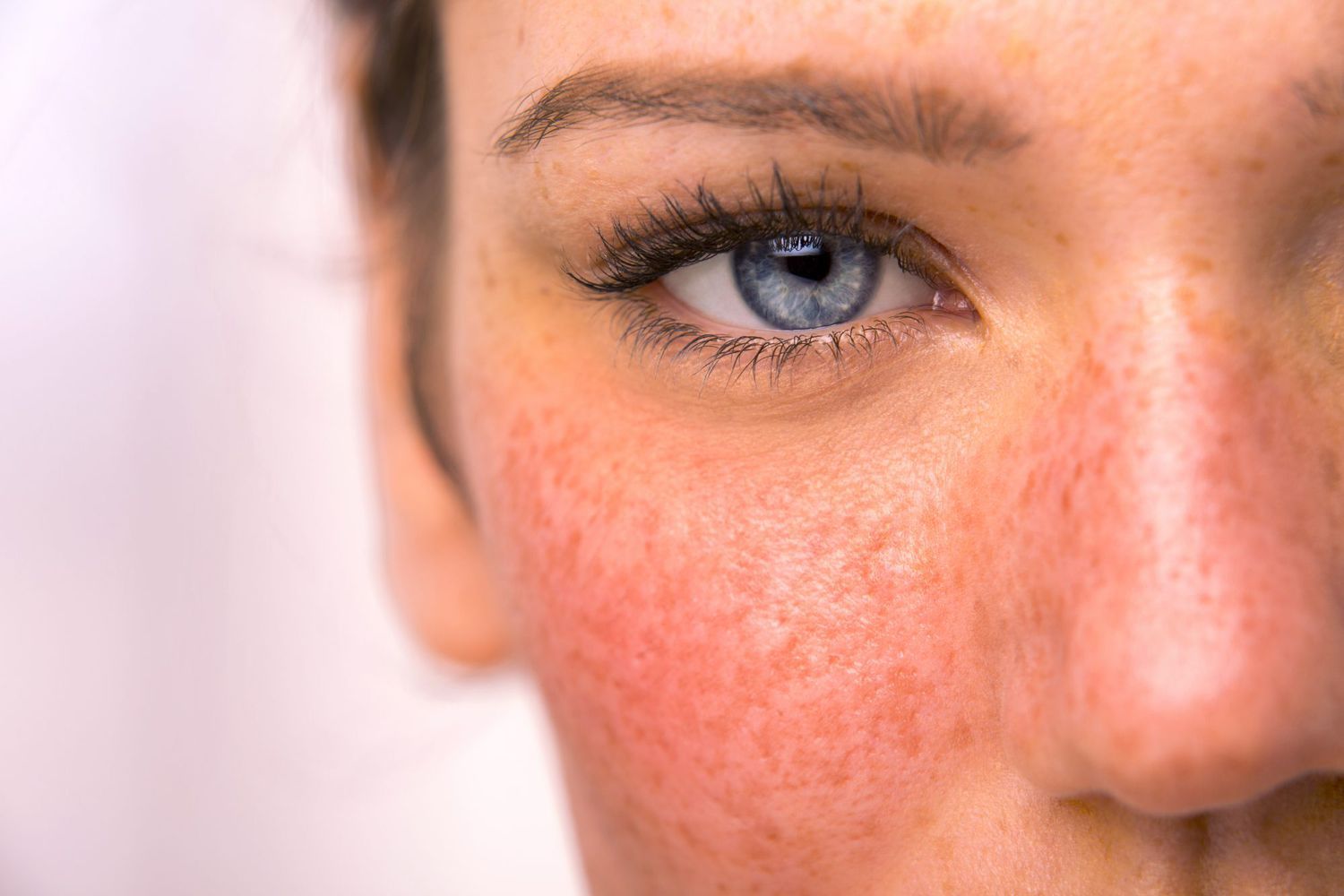
Rosacea is a chronic inflammatory skin condition that affects the face and is often characterized by persistent redness, flushing, visible blood vessels, and acne-like breakouts. Because rosacea-prone skin is highly sensitive, many patients find that standard commercial treatments can trigger irritation rather than provide lasting relief.
Compounded dermatology offers a gentler, more targeted approach to rosacea care. By customizing medication strengths, combining complementary ingredients, and selecting skin-appropriate bases, compounded treatments are designed to calm inflammation, reduce flare-ups, and support long-term skin balance. This personalized strategy allows therapy to adapt to each patient’s unique symptoms and tolerance.
Understanding Key Ingredients in Compounded Rosacea Therapy
Metronidazole
Metronidazole is commonly used in rosacea to reduce inflammation, redness, and papules. In compounded form, strengths can be adjusted to improve tolerance for sensitive skin.
Azelaic Acid & Ivermectin
Azelaic acid helps calm acne-like rosacea and improve uneven tone, while ivermectin targets inflammatory pathways associated with rosacea flares and skin sensitivity.
When thoughtfully compounded, these ingredients work together to reduce inflammation, control flare-ups, and support long-term skin comfort.
Rosacea Symptoms Addressed
Persistent Redness
Customized formulations help calm chronic facial redness and flushing by addressing underlying inflammation.
Inflammatory Bumps
Acne-like lesions and papules can be managed using gentle, multi-ingredient compounded therapies.
Skin Sensitivity
Custom bases and reduced-strength actives help minimize burning, stinging, and irritation.
Customized Strengths & Formulations
Your dermatologist and compounding pharmacist collaborate to tailor therapy as your skin needs evolve.
How Compounded Rosacea Treatments Work
Calms inflammatory pathways responsible for redness and flushing.
Supports skin barrier repair to reduce sensitivity and irritation.
Provides consistent delivery through gentle, patient-specific formulations.
Application & Usage Tips
Apply a thin layer to clean, dry skin as directed by your provider.
Use gentle cleansers and avoid known rosacea triggers.
Expect gradual improvement over several weeks with consistent use.
Ongoing communication with your pharmacist allows timely adjustments for comfort and effectiveness.
Expert Insights and Recommendations
Dermatologists emphasize that rosacea responds best to gentle, individualized treatment, noting that customized compounded formulations can reduce irritation while improving redness, flushing, and inflammatory lesions.
Experts highlight the value of combination therapy in rosacea, where multiple compatible ingredients can be compounded together to address redness, inflammation, and barrier support in a single topical preparation.
From a clinical standpoint, pharmacist-compounded dermatology allows providers to personalize rosacea care by adjusting strengths, delivery systems, and excipients as skin tolerance and symptoms evolve.
For patients and providers managing rosacea, compounded dermatology represents a thoughtful, patient-centered approach that prioritizes long-term control, skin comfort, and individualized care.
Compounded Rosacea Care at Rock Ridge Pharmacy
Personalized dermatologic compounding for sensitive, rosacea-prone skin
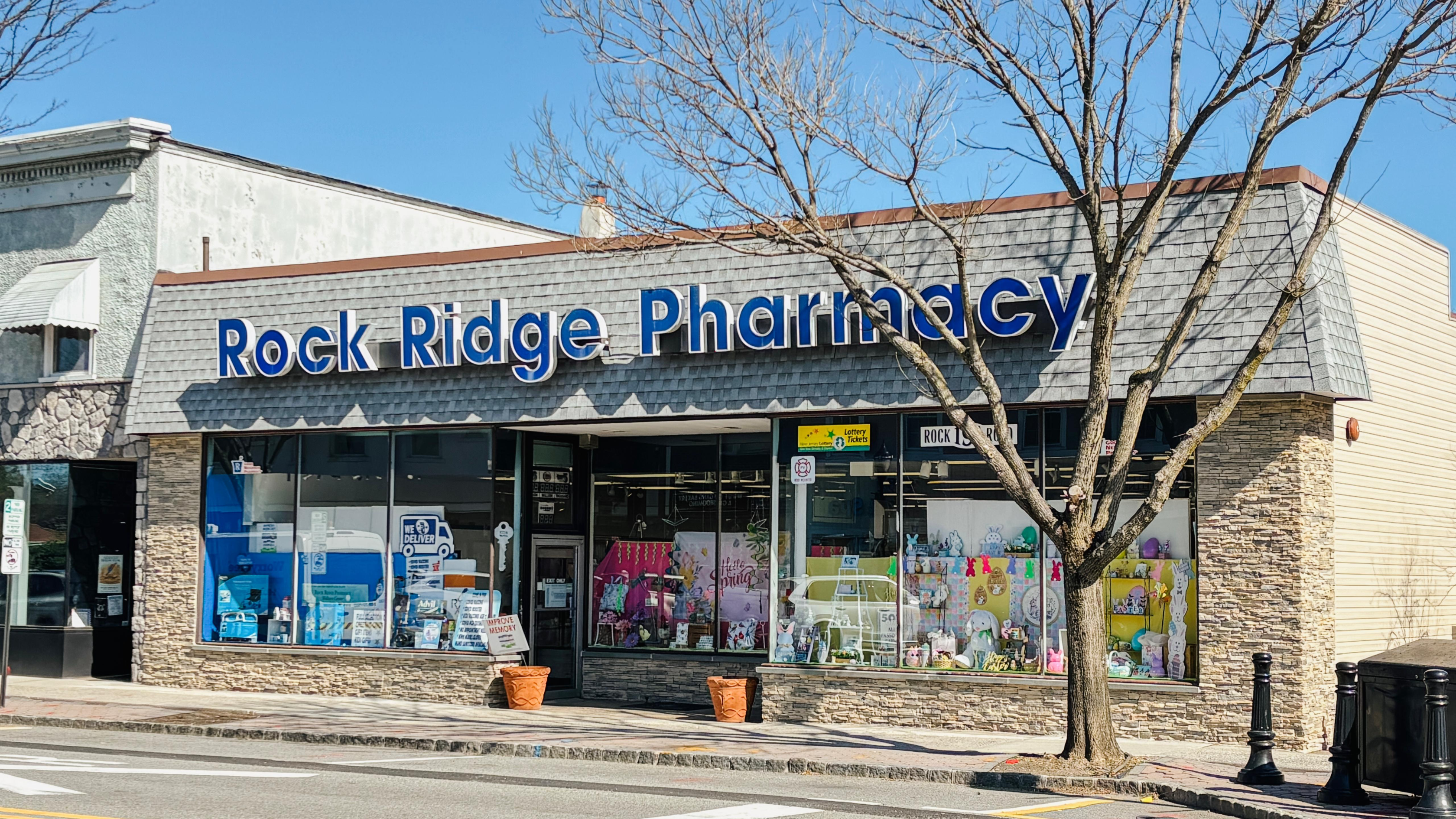
Why Choose Rock Ridge Pharmacy?
At Rock Ridge Pharmacy, we specialize in compounded dermatology for chronic and sensitive skin conditions such as rosacea. Instead of relying on fixed-strength commercial products, our pharmacists work directly with dermatologists to prepare customized topical treatments designed to reduce redness, calm inflammation, and minimize flare-ups.
Every compounded rosacea formulation is prepared with careful attention to ingredient selection, strength adjustment, and base compatibility. This personalized approach helps improve tolerability, simplify routines, and support long-term skin comfort and consistency.
Frequently Asked Questions (FAQ)
What is compounded dermatology for rosacea?
Compounded dermatology for rosacea involves preparing customized prescription topical medications based on a patient’s specific symptoms, skin sensitivity, and treatment goals. This allows for gentler, more targeted care compared to standard commercial products.
How is compounded rosacea treatment different from standard products?
Unlike fixed-dose commercial formulations, compounded rosacea treatments allow pharmacists to adjust ingredient strengths, combine therapies, and select irritation-minimizing bases tailored to sensitive skin.
Which ingredients are commonly used for rosacea?
Depending on your prescription, compounded rosacea treatments may include metronidazole, azelaic acid, ivermectin, niacinamide, or other supportive ingredients that help reduce redness and inflammation.
Is compounded rosacea treatment safe for long-term use?
Yes. When prescribed and monitored by a healthcare provider, compounded rosacea formulations are often suitable for ongoing use and are designed to support long-term symptom control with improved tolerability.
Do I need a prescription?
Yes. Compounded rosacea medications require a prescription. Our pharmacists collaborate directly with your dermatologist or healthcare provider to prepare the exact formulation prescribed.
How soon can I expect improvement?
Rosacea treatment is gradual. Many patients notice reduced redness and fewer flare-ups within several weeks, with continued improvement as treatment consistency is maintained.
Where can I obtain compounded rosacea medication?
Rock Ridge Pharmacy in Glen Rock, NJ specializes in compounded dermatology and works with prescribers across New Jersey to provide personalized rosacea care.
Looking for a Gentler, Personalized Rosacea Solution?
Compounded dermatology offers a targeted approach to rosacea by customizing treatment to your skin’s sensitivity and symptom pattern. The pharmacists at Rock Ridge Pharmacy are here to support dermatologist-guided, patient-specific rosacea care.


