
Sleep Apnea Beyond the CPAP: What Role Does Medication Play?
Can medication help with sleep apnea? Learn where it fits, why treating nighttime breathing still matters, and how Rock Ridge Pharmacy’s pharmacists and compounding services can support individual prescription needs.
Introduction
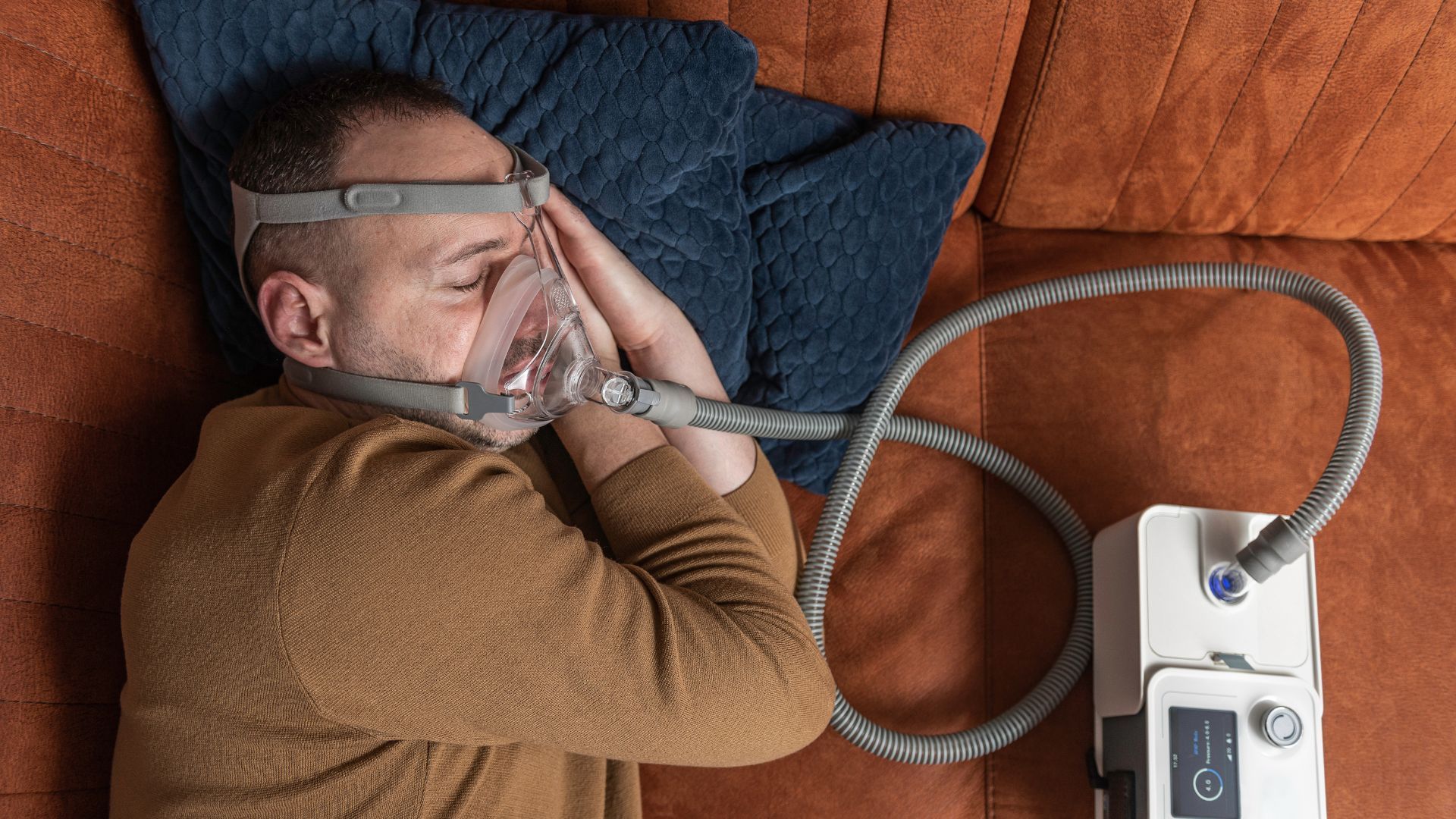
Loud snoring, waking up gasping, morning headaches, and daytime sleepiness may be signs of sleep apnea—a condition in which breathing repeatedly stops or becomes shallow during sleep. The most common type, obstructive sleep apnea (OSA), happens when the upper airway becomes blocked. A CPAP machine uses gentle air pressure through a mask to keep that airway open. But where does medication fit? Some medicines address a contributing factor, such as obesity, while others help manage persistent daytime sleepiness. These are different treatment goals.
For example, the FDA approved Zepbound (tirzepatide) for moderate to severe OSA in adults with obesity, alongside a reduced-calorie diet and increased physical activity. Other medicines can improve alertness without treating the airway blockage itself. At Rock Ridge Pharmacy, our pharmacists can explain prescription instructions, review potential interactions, and coordinate medication questions with your healthcare provider. Our compounding services may address specific prescription needs when appropriate, but compounded medications are not an established replacement for sleep apnea treatment. Continue prescribed CPAP or other breathing treatment unless your clinician advises a change.
Understanding Sleep Apnea: More Than Just Snoring
Sleep apnea causes repeated interruptions in breathing during sleep. These interruptions can disturb your rest and lower oxygen levels. Obstructive sleep apnea (OSA) happens when the upper airway repeatedly becomes blocked. Central sleep apnea (CSA) happens when the brain does not send the signals needed to maintain breathing. Some people have features of both, so identifying the type matters.
Signs may include loud snoring, pauses in breathing noticed by someone else, waking up gasping, morning headaches, and daytime sleepiness. However, snoring alone does not confirm sleep apnea. A healthcare provider may recommend a sleep study to determine whether breathing interruptions are occurring and how severe they are. Review the National Heart, Lung, and Blood Institute’s symptom guide if you are unsure what to discuss at your appointment.
Why CPAP Still Has an Important Role
CPAP stands for continuous positive airway pressure. A machine sends steady air pressure through a mask to help keep the airway open during sleep. Other options may include different pressure devices, a custom oral appliance, side-sleeping strategies, weight management, or selected procedures. Your sleep specialist can help match treatment to your needs. If your mask leaks or feels uncomfortable, ask about adjustments rather than abandoning treatment. The NHLBI treatment guide explains the options, while its guide to living with sleep apnea offers practical support for treatment challenges.
Zepbound: Medication for Certain Adults With OSA
The FDA approved Zepbound (tirzepatide) to treat moderate to severe obstructive sleep apnea in adults with obesity, together with a reduced-calorie diet and increased physical activity. This once-weekly injection can help reduce body weight, which can improve OSA in eligible patients. It is not a treatment for every type of sleep apnea or every patient.
- Eligibility matters: your provider must confirm the diagnosis, severity, and whether the medication is appropriate.
- Improvement takes time: medication does not immediately hold the airway open like CPAP.
- Side effects need discussion: nausea, vomiting, diarrhea, and constipation can occur, and serious risks also require review.
- Medical history matters: Zepbound is contraindicated with a personal or family history of medullary thyroid carcinoma or multiple endocrine neoplasia syndrome type 2 (MEN 2).
- Follow-up remains essential: feeling better or losing weight does not automatically mean you can stop CPAP.
Review the FDA prescribing information with your healthcare provider. Continue prescribed breathing treatment unless your clinician reassesses your needs and advises a change.
Treating Daytime Sleepiness Is a Different Goal
Some people remain excessively sleepy even after their nighttime breathing is being treated. Before adding medication, a clinician should review sleep duration, treatment effectiveness, other medicines, and possible additional causes. In appropriate cases, a wake-promoting medicine such as solriamfetol (Sunosi) may help improve daytime alertness.
- What it does: helps improve wakefulness in adults with excessive daytime sleepiness associated with OSA.
- What it does not do: treat the underlying airway blockage.
- What must continue: CPAP or other prescribed treatment for the airway obstruction.
- What needs monitoring: blood pressure, heart rate, side effects, and medication interactions.
The Sunosi prescribing information specifically states that it is not a substitute for airway treatment. Feeling more awake does not prove that sleep apnea is controlled.
How Rock Ridge Pharmacy Can Support Your Care
At Rock Ridge Pharmacy, our pharmacists can help you understand the purpose of each prescription and coordinate medication questions with your healthcare provider. Our compounding services may address a specific prescription need when a suitable manufactured option cannot meet it.
- Medication review: discuss prescriptions, over-the-counter sleep aids, supplements, and possible interactions.
- Prescription counseling: clarify dosing instructions, administration, storage, and side effects.
- Individual formulation needs: assess a prescribed strength or an inactive-ingredient adjustment when medically appropriate and feasible.
- Prescriber coordination: communicate concerns about tolerability, instructions, or formulation requirements.
Compounding is not an established replacement for CPAP or approved OSA treatment. Compounded tirzepatide should not be presented as equivalent to FDA-approved Zepbound. The FDA explains that compounded medications are not FDA-approved and do not undergo its premarket review for safety, effectiveness, or quality. Call (201) 444-4190 to discuss your prescription needs.
Can Melatonin or Sleeping Pills Treat Sleep Apnea?
Sleep apnea and insomnia are different conditions. Insomnia involves difficulty falling or staying asleep; sleep apnea involves disrupted breathing. Melatonin and sleeping pills do not correct an obstructed airway. Some sedating medicines can also affect breathing, especially when combined with opioids or alcohol. The FDA warns about serious breathing risks when opioids are combined with benzodiazepines or other medicines that slow brain activity. Ask your provider or pharmacist before adding a sleep aid. Do not abruptly stop a prescribed medicine; some require a supervised dose reduction.
What About New Sleep Apnea Pills?
Researchers are studying oral medicines designed to address airway collapse during sleep. One example is AD109, an investigational combination of aroxybutynin and atomoxetine. In its July 2026 announcement, the manufacturer reported that the FDA had accepted its application for review. Acceptance for review is not approval. As of this article’s October 2026 publication, AD109 remains investigational. Continue your established treatment plan, discuss emerging options with your sleep specialist, and avoid driving whenever you are excessively sleepy.
Personalized Medication Support for Sleep Apnea Care
Understand your prescriptions, review medication concerns, and explore compounding when appropriate

How Rock Ridge Pharmacy Can Help
At Rock Ridge Pharmacy, our pharmacists can explain what each prescribed medication does, how to take it, and which side effects to discuss with your provider. Bring your full medication list—including over-the-counter sleep aids and supplements—so we can review potential interactions and medicines that may contribute to drowsiness or breathing concerns. Understanding the difference between treating sleep apnea and managing daytime sleepiness can help you follow your treatment plan with confidence.
Our compounding team can work with your prescriber when a suitable manufactured medication cannot meet a specific prescription need, such as a required strength or an adjustment to an inactive ingredient. Each request requires assessment; not every medication can be safely changed into another form. Compounded preparations are not FDA-approved and are not an established replacement for CPAP or approved sleep apnea treatment. Continue prescribed breathing treatment unless your clinician advises a change.
Final Thoughts: Match the Treatment to the Problem
Medication can play a role in sleep apnea care, but its purpose depends on your diagnosis and needs. Some medicines treat OSA in eligible patients with obesity; others improve alertness without correcting airway blockage. Continue prescribed CPAP or other breathing treatment unless your clinician advises a change, even after weight loss or symptom improvement. Rock Ridge Pharmacy can help explain your medications and assess individual compounding needs with your prescriber when appropriate. Keep follow-up appointments, ask before adding sleep aids, and avoid driving when excessively sleepy.
Frequently Asked Questions (FAQ)
Can medication replace my CPAP machine?
Sometimes medication may be part of an alternative treatment plan for an eligible patient, but it does not automatically replace CPAP. Your sleep specialist must assess your diagnosis, response, and follow-up testing before changing treatment. Continue prescribed breathing treatment unless your clinician advises otherwise. Explore the NHLBI guide to sleep apnea treatments.
Who may qualify for Zepbound for sleep apnea?
Zepbound (tirzepatide) is FDA-approved for moderate to severe obstructive sleep apnea in adults with obesity, alongside a reduced-calorie diet and increased physical activity. It is not approved for every type of sleep apnea or every patient. Your provider must assess your medical history, risks, and treatment goals. Read the FDA approval announcement.
Does feeling less sleepy mean my sleep apnea is controlled?
No. Feeling more alert does not prove that breathing interruptions or low oxygen levels have resolved. Wake-promoting medication such as Sunosi (solriamfetol) can improve daytime wakefulness without treating airway blockage. The Sunosi prescribing information states that it does not replace treatment for the underlying airway obstruction.
Can melatonin or sleeping pills treat sleep apnea?
Melatonin and sleeping pills do not correct an obstructed airway. Trouble falling asleep and disrupted breathing are different problems, although they can occur together. Ask your provider or pharmacist before adding a sleep aid, and discuss both concerns if you have them. Learn about insomnia treatment and sleep apnea treatment.
Can some medications make breathing during sleep worse?
Yes. Opioids and certain sedating medicines can affect breathing, especially when combined with each other or alcohol. The FDA warns about serious breathing risks from combining opioids with benzodiazepines or other medicines that slow brain activity. Ask for a review of your prescriptions, over-the-counter products, and supplements. Do not stop prescribed medicines abruptly; some require a supervised dose reduction.
What if I cannot tolerate my CPAP mask?
Tell your sleep care team what is bothering you, such as leaks, dryness, pressure discomfort, or difficulty finding a comfortable fit. A different mask, humidification, or a clinician-directed adjustment may help. Selected patients may also qualify for other treatments, including a custom oral appliance. See the NHLBI guide to living with sleep apnea.
Can I stop CPAP after losing weight?
Weight loss can improve obstructive sleep apnea, but it does not guarantee that the condition has resolved. Continue prescribed treatment and ask your sleep specialist whether repeat testing is needed before making changes. The NHLBI follow-up guidance explains why ongoing assessment matters.
Can a compounded medication treat sleep apnea?
Compounding is not an established replacement for CPAP or approved obstructive sleep apnea treatment. It may address a specific prescription need, such as an appropriate strength or an inactive-ingredient adjustment, when a suitable manufactured product cannot meet that need. Rock Ridge Pharmacy’s compounding team can assess requests with your prescriber. Compounded medications are not FDA-approved, and compounded tirzepatide should not be considered equivalent to FDA-approved Zepbound.
Do obstructive and central sleep apnea use the same treatments?
Not always. Obstructive sleep apnea involves an airway blockage, while central sleep apnea involves disrupted signals controlling breathing. Treatment depends on the type, its cause, and other medical conditions. A medicine approved for obstructive sleep apnea should not be assumed to treat central sleep apnea. Start with the NHLBI explanation of sleep apnea.
How can Rock Ridge Pharmacy help with my treatment plan?
Rock Ridge Pharmacy can explain prescription instructions, review potential interactions, and coordinate medication questions with your provider. Our compounding services may support specific prescription needs when appropriate. Bring a full medication list and call (201) 444-4190 or contact our team for guidance.
Questions About Your Medications and Sleep Apnea?
Talk with Rock Ridge Pharmacy for prescription guidance, interaction reviews, and help coordinating individual medication needs with your healthcare provider.


