RSV Vaccine: Who Needs It and When to Get It
The RSV vaccine is a major advancement in preventing serious respiratory illness caused by respiratory syncytial virus (RSV), a common virus that can lead to severe complications in older adults, infants, and pregnant women. While RSV often presents like a mild cold, it can progress to bronchiolitis or pneumonia in high-risk individuals. Newly available vaccines now offer targeted protection, but understanding who should receive them and the best time to get vaccinated is essential. This guide will help you make informed decisions to ensure timely and effective protection for yourself and your family.
Understanding the RSV Vaccine
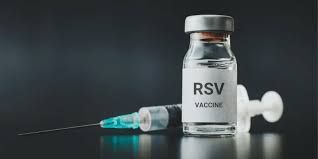
The RSV vaccine is a significant advancement in preventing respiratory syncytial virus (RSV) infections, which can range from mild cold-like symptoms to severe respiratory illness. While RSV is common, it can lead to serious complications in older adults, infants, and individuals with weakened immune systems. Understanding who is at risk and when vaccination is most effective is essential for reducing severe illness and hospitalizations.
RSV infections tend to increase during seasonal outbreaks, particularly in the fall and winter months. New preventive options, including vaccines for adults and pregnant women, as well as antibody protection for infants, provide targeted protection at the most vulnerable stages of life. Knowing when to receive the RSV vaccine can help ensure timely, effective, and long-lasting protection for both individuals and their families.
What Is RSV and Why It Matters
Respiratory syncytial virus (RSV) is a common respiratory infection that can affect people of all ages, often causing mild cold-like symptoms. However, in certain populations such as older adults, infants, and immunocompromised individuals, RSV can lead to serious complications including bronchiolitis and pneumonia.
Understanding RSV and its potential severity is important, especially during seasonal outbreaks when cases increase. Preventive measures, including vaccination, play a key role in reducing hospitalizations and severe respiratory illness.
RSV Vaccine Options Available Today
Recent advancements have introduced vaccines designed to protect against RSV in high-risk populations. These vaccines help stimulate the immune system to recognize and respond to the virus, reducing the risk of severe illness.
Who Should Get the RSV Vaccine
Identifying who benefits most from the RSV vaccine is essential for effective prevention.
- Adults 60 years and older – higher risk of severe respiratory complications
- Pregnant women – vaccination during late pregnancy helps protect newborns
- Infants – benefit from maternal antibodies or preventive monoclonal antibody protection
- Immunocompromised individuals – increased vulnerability to severe RSV infection
- Individuals with chronic conditions – such as lung or heart disease
Vaccination recommendations may vary based on individual health status and risk factors, making it important to consult a healthcare provider for personalized guidance.
When to Get the RSV Vaccine
Timing is critical to ensure optimal protection against RSV, particularly during peak seasons.
- Before RSV season – typically in the fall, ahead of increased viral circulation
- During pregnancy (32–36 weeks) – to maximize antibody transfer to the newborn
- Early infancy – through preventive antibody protection if maternal vaccination was not received
- Based on regional trends – timing may vary depending on local RSV activity
- As recommended by healthcare providers – individualized timing for high-risk patients
Safety and Effectiveness of the RSV Vaccine
RSV vaccines have been shown to significantly reduce the risk of severe illness and hospitalization. Common side effects are generally mild and may include injection site discomfort, fatigue, or low-grade fever. Overall, the vaccines are considered safe and effective for recommended populations.
Additional Preventive Measures
In addition to vaccination, preventive strategies can further reduce the risk of RSV transmission.
- Frequent handwashing and hygiene practices
- Avoiding close contact with sick individuals
- Cleaning commonly touched surfaces
- Protecting high-risk individuals during peak seasons
- Following healthcare provider recommendations
Making the Right Vaccination Decision
Choosing whether and when to receive the RSV vaccine depends on individual risk factors, age, and overall health. Consulting with a pharmacist or healthcare provider can help determine the best approach for protection.
By understanding who needs the RSV vaccine and the optimal timing, individuals can take proactive steps toward preventing serious respiratory illness and protecting vulnerable family members.
RSV Vaccine Guidance & Preventive Care Services
Pharmacist-guided support to help you determine who needs the RSV vaccine and the best time to receive it
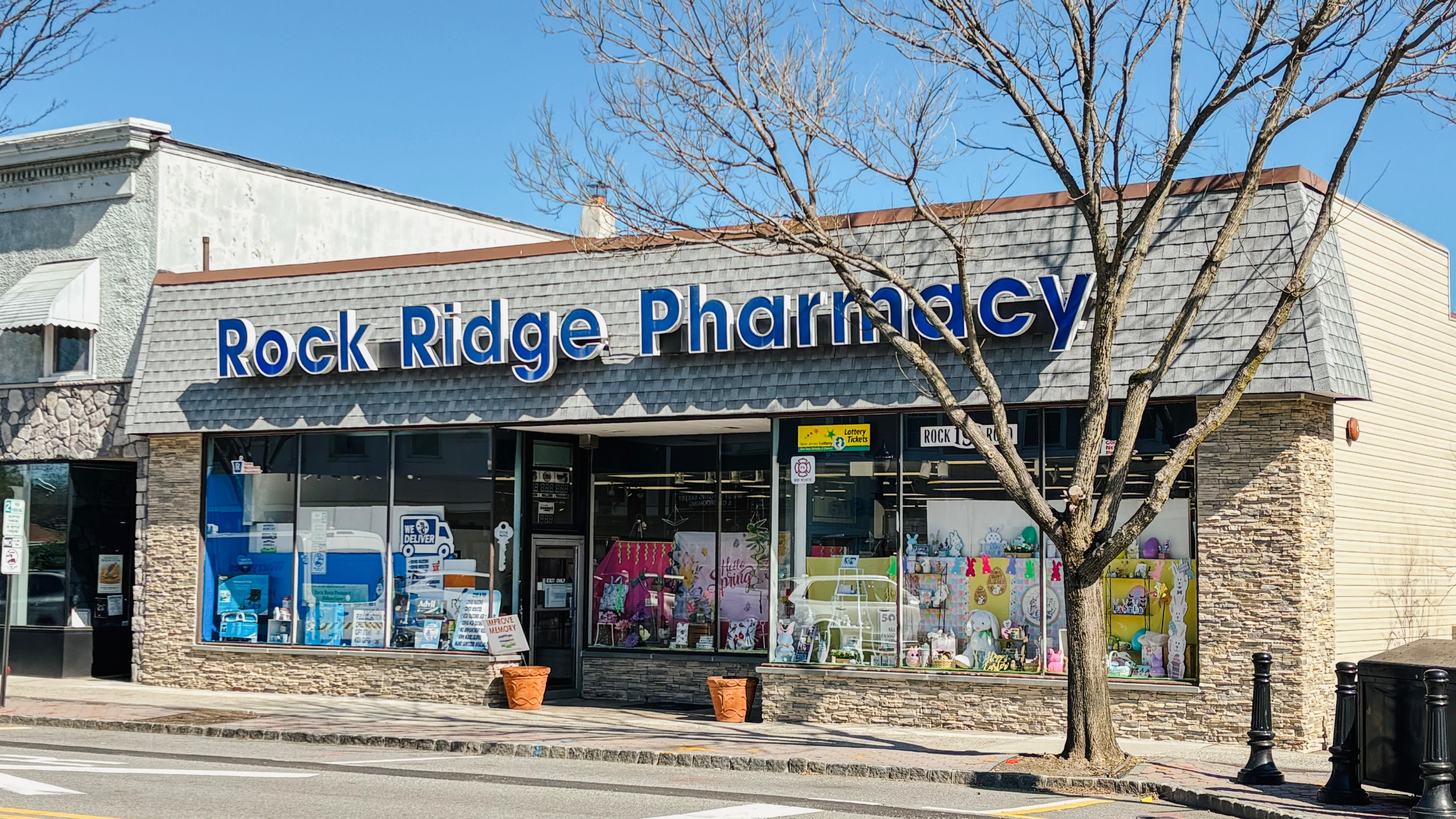
Why Choose Rock Ridge Pharmacy?
At Rock Ridge Pharmacy, we help patients and caregivers understand who should receive the RSV vaccine and when to ensure optimal protection. Our pharmacists provide personalized guidance based on age, risk factors, and health conditions, helping you make informed decisions for yourself and your family.
We offer support for adult vaccination, pregnancy-related RSV protection, and infant preventive care options. Whether you are planning ahead for RSV season or evaluating protection for a newborn, our team ensures safe, timely, and effective vaccination strategies tailored to your needs.
Final Thoughts: Who Should Get the RSV Vaccine and When It Matters Most
The RSV vaccine plays a critical role in protecting older adults, infants, and pregnant women from serious respiratory complications. Knowing who should receive the vaccine and when to get it ensures the highest level of protection, particularly before peak RSV season. Preventive strategies such as maternal vaccination and early infant protection further strengthen defense against infection. By understanding risk factors and working with a healthcare provider, individuals can make informed decisions that support safe, timely, and effective protection for themselves and their families.
Frequently Asked Questions (FAQ)
What is RSV and why is it dangerous?
Respiratory syncytial virus (RSV) is a common respiratory infection that usually causes mild symptoms, but it can lead to serious complications such as bronchiolitis and pneumonia in infants, older adults, and immunocompromised individuals.
Who should get the RSV vaccine?
The RSV vaccine is recommended for adults aged 60 and older, certain high-risk individuals, and pregnant women to help protect newborns. Eligibility may vary, so consultation with a healthcare provider is advised.
When is the best time to get the RSV vaccine?
The ideal time is before RSV season, typically in the fall. Pregnant women are usually vaccinated between 32 and 36 weeks of pregnancy to maximize protection for the baby.
Do infants receive the RSV vaccine?
Infants do not typically receive the vaccine directly, but they can be protected through maternal vaccination or preventive monoclonal antibody treatments.
Can I get the RSV vaccine with other vaccines?
In many cases, the RSV vaccine can be administered alongside other vaccines such as flu or COVID-19 vaccines, but it is best to confirm with a healthcare provider for individualized recommendations.
How effective is the RSV vaccine?
RSV vaccines have been shown to significantly reduce the risk of severe illness, hospitalization, and complications in high-risk populations.
What are the common side effects of the RSV vaccine?
Common side effects include injection site pain, fatigue, and mild fever. These are usually temporary and resolve on their own.
Who should not get the RSV vaccine?
Individuals with a history of severe allergic reactions to vaccine components or those who are currently ill may need to delay vaccination. Always consult a healthcare provider for guidance.
How long does protection from the RSV vaccine last?
Protection typically lasts through the RSV season, though recommendations may evolve as more data becomes available.
How can Rock Ridge Pharmacy help with RSV vaccination?
Rock Ridge Pharmacy provides expert guidance on RSV vaccine eligibility, timing, and coordination with other vaccines to ensure safe and effective protection.
Protect Yourself and Your Family with the RSV Vaccine
Understanding who should get the RSV vaccine and when is key to preventing serious respiratory illness. Whether you are an older adult, expecting mother, or caring for an infant, timely vaccination can significantly reduce the risk of complications. At Rock Ridge Pharmacy, our pharmacists provide expert guidance to help you make informed decisions and ensure safe, effective, and timely protection during RSV season.


