
Understanding Prescription Retinoids in Compounded Dermatology
Prescription retinoids are among the most effective tools in dermatology — but their success depends on proper formulation and patient tolerance. Learn how compounded retinoid therapy allows for customized strengths, combination treatments, and gentler delivery systems that improve comfort, adherence, and long-term skin health for patients who struggle with standard commercial products.
Introduction
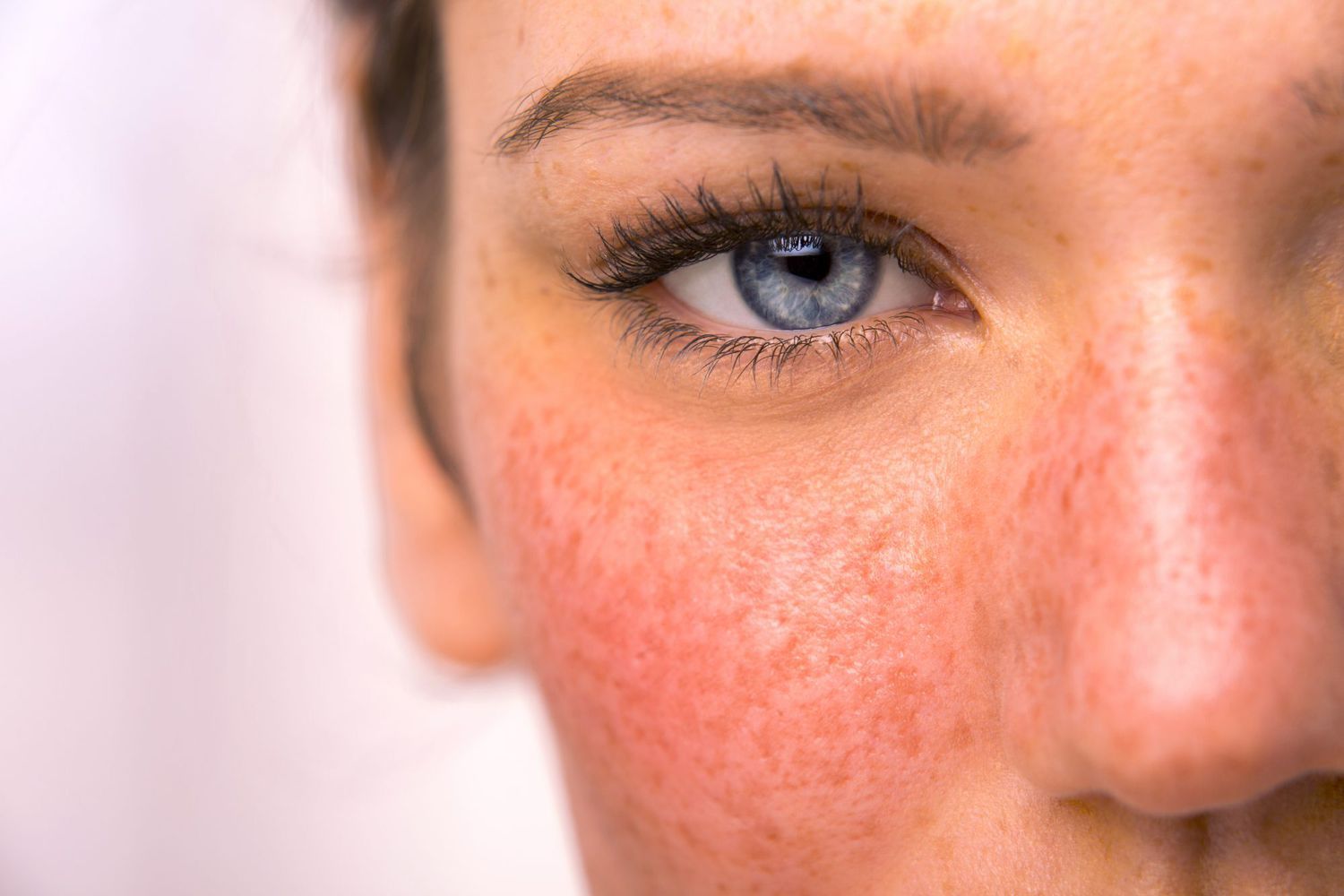
Prescription retinoids are vitamin A–derived medications widely used in dermatology to treat a range of skin conditions. These therapies work at the cellular level to regulate skin cell turnover, reduce inflammation, and improve overall skin texture and tone. Because of their proven effectiveness, retinoids are considered foundational treatments in modern dermatologic care.
Unlike over-the-counter retinol products, prescription retinoids are significantly more potent and regulated as medications. Common examples include tretinoin, adapalene, and tazarotene. While highly effective, their strength means careful formulation is essential to ensure patient comfort, consistency of use, and long-term adherence. Compounded dermatology allows these therapies to be customized to individual skin needs, helping maximize results while minimizing irritation.
Understanding Prescription Retinoids
Tretinoin
Tretinoin is considered the gold standard retinoid for acne, photoaging, and hyperpigmentation. In compounded formulations, strength and base selection can be customized to improve tolerability while maintaining clinical effectiveness.
Adapalene & Tazarotene
Adapalene is often better tolerated for sensitive or acne-prone skin, while tazarotene offers a more potent option for resistant acne, psoriasis, or severe photoaging. Compounding allows precise selection based on skin response.
When properly compounded, prescription retinoids deliver consistent results while minimizing irritation and improving adherence.
Conditions Addressed with Retinoid Therapy
Acne & Scarring
Retinoids normalize follicular turnover, reduce clogged pores, and improve acne-related scarring over time.
Hyperpigmentation
Improves uneven tone, melasma, and post-inflammatory pigmentation through controlled skin renewal.
Photoaging
Stimulates collagen production, softens fine lines, and improves overall skin texture and resilience.
Customization Through Compounding
Compounded retinoid therapy evolves alongside the patient’s skin response and tolerance.
How Compounded Retinoids Work
Regulates skin cell turnover to prevent clogged pores and uneven texture.
Stimulates collagen production to improve firmness and fine lines.
Provides controlled delivery through customized, skin-friendly bases.
Application & Usage Guidance
Apply a pea-sized amount to clean, dry skin as directed.
Begin with gradual use to allow skin to acclimate.
Expect visible improvement over 6–12 weeks of consistent use.
Pharmacist guidance ensures timely adjustments for comfort and long-term success.
Why Compounded Retinoid Therapy Is the Future of Dermatologic Care
Personalized Retinoid Therapy: Compounding allows precise adjustment of retinoid strength, combinations, and delivery systems based on individual skin type, sensitivity, and treatment goals.
Science-Driven Results: Retinoids work at the cellular level to normalize skin turnover, stimulate collagen production, and improve long-term skin health when delivered in optimized formulations.
Improved Long-Term Adherence: By minimizing irritation and tailoring therapy over time, compounded retinoids help patients stay on treatment long enough to achieve meaningful, sustained results.
Who May Benefit from Compounded Retinoids
Recommended For
- Patients with acne, acne scarring, or post-inflammatory pigmentation
- Individuals with photoaging, fine lines, or uneven texture
- Those unable to tolerate commercial retinoid products
- Patients requiring combination dermatologic therapy
Use with Caution
- Pregnant or breastfeeding patients without provider approval
- Individuals with active skin infections or severe barrier damage
- Those with known sensitivity to retinoids without gradual titration
Why Base Selection Matters in Retinoid Therapy
The delivery system plays a critical role in how a retinoid performs on the skin. Compounding allows pharmacists and prescribers to select the most appropriate base to improve comfort, absorption, and adherence.
Reducing Irritation with Compounded Retinoids
- Starting with lower retinoid concentrations
- Gradually increasing strength as tolerance improves
- Incorporating calming agents such as niacinamide
- Eliminating unnecessary excipients and irritants
- Adjusting frequency or formulation based on response
This flexibility allows patients to remain on therapy long enough to experience meaningful skin improvement.
What to Expect When Starting Compounded Retinoid Therapy
Retinoids work gradually. Mild redness, dryness, or peeling may occur during the initial adjustment period, typically within the first few weeks.
Visible improvements in acne, pigmentation, and skin texture often develop after 6–12 weeks of consistent use. Ongoing communication with both the pharmacist and prescriber allows timely adjustments that improve comfort and long-term outcomes.
Prescription Retinoids in Compounded Dermatology
Customized vitamin A–based therapies for improved tolerability and skin outcomes

Why Choose Rock Ridge Pharmacy?
At Rock Ridge Pharmacy, we compound prescription retinoids such as tretinoin, adapalene, and tazarotene for patients requiring individualized dermatologic care. These vitamin A–derived medications are foundational for acne, hyperpigmentation, and photoaging, but commercial formulations are not suitable for every skin type.
Through dermatologic compounding, our pharmacists work directly with prescribers to customize retinoid strength, delivery base, and supporting ingredients. This personalized approach helps reduce irritation, improve adherence, and support long-term skin health.
Frequently Asked Questions (FAQ)
What are prescription retinoids?
Prescription retinoids are vitamin A–derived medications that regulate skin cell turnover, reduce inflammation, and improve acne, pigmentation, and overall skin texture.
How are compounded retinoids different from commercial products?
Compounded retinoids allow pharmacists to adjust strength, base, and ingredients to improve tolerability and match individual skin needs.
Which retinoids can be compounded?
Common compounded retinoids include tretinoin, adapalene, and tazarotene, alone or in combination with supportive ingredients.
Is irritation common with retinoids?
Mild redness or dryness may occur initially. Compounded formulations help reduce irritation through lower starting doses and customized delivery systems.
Do compounded retinoids require a prescription?
Yes. Prescription retinoids must be prescribed by a licensed healthcare provider.
When can results be expected?
Visible improvements typically occur after 6–12 weeks of consistent use, with ongoing benefits as treatment continues.
Where can I obtain compounded retinoid therapy?
Rock Ridge Pharmacy in Glen Rock, NJ specializes in compounded dermatology and collaborates with prescribers across New Jersey.
Looking for Personalized Retinoid Therapy?
Prescription retinoids are powerful tools in dermatologic care—but tolerability matters. Compounded dermatology allows retinoid therapy to be customized to your skin’s sensitivity, condition, and treatment goals. The pharmacists at Rock Ridge Pharmacy support dermatologist-guided, patient-specific retinoid formulations.


