How GLP-1 Medications Work Beyond Just Weight Loss
GLP-1 medications are widely known for supporting weight loss, but their effects extend far beyond appetite control. These medications were originally developed to help manage type 2 diabetes and may also support blood sugar regulation, cardiovascular health, kidney function, and overall metabolic health. Learn how GLP-1 medications work throughout the body, why they can offer benefits beyond the number on the scale, and what patients should understand before beginning treatment.
Introduction
GLP-1 medications have gained widespread attention for their role in weight management, but they were originally developed to help improve blood sugar control in people with type 2 diabetes. According to the National Institute of Diabetes and Digestive and Kidney Diseases, GLP-1 receptor agonists are part of a broader group of diabetes medications used alongside healthy eating, physical activity, and individualized medical care. These medications imitate the effects of a naturally occurring hormone involved in insulin release, appetite regulation, and digestion.
Beyond helping patients feel fuller and consume less food, GLP-1 medications may improve blood sugar levels, reduce post-meal glucose spikes, and provide cardiovascular benefits for certain eligible patients. Some therapies in this medication class have received approval for reducing the risk of serious cardiovascular events in specific patient populations. Working closely with healthcare providers and knowledgeable pharmacy professionals can help patients better understand proper administration, potential side effects, medication interactions, and realistic treatment goals. GLP-1 therapy should always be selected according to a patient's medical history, approved indication, and individualized care plan.
What Are GLP-1 Medications?
GLP-1 medications, also known as GLP-1 receptor agonists, were originally developed to help people with type 2 diabetes manage their blood sugar. They mimic a naturally occurring hormone called glucagon-like peptide-1, which is released after eating and helps regulate blood glucose, appetite, and digestion. According to the American Diabetes Association, several medications in this class are also approved for chronic weight management in eligible patients.
Common examples include semaglutide (Ozempic®, Wegovy®), liraglutide (Victoza®, Saxenda®), and newer dual-action medications such as tirzepatide (Mounjaro®, Zepbound®), which target both GLP-1 and GIP receptors. Although many people recognize these medications for weight loss, their effects extend throughout multiple body systems — and our pharmacy services team can help patients understand how each formulation fits into their overall care plan.
How GLP-1 Medications Help Control Blood Sugar
One of the primary roles of GLP-1 medications is improving blood sugar control. They stimulate insulin release when blood glucose levels are elevated, reduce the amount of glucagon produced by the pancreas, and slow the release of glucose into the bloodstream after meals. This combination helps lower A1C levels while reducing the risk of hypoglycemia compared with some older diabetes medications when used appropriately, according to the CDC. Patients managing type 1, type 2, or gestational diabetes can also get personalized monitoring support through our Diabetes Specialized Care Center.
Appetite Control and Slower Digestion
GLP-1 medications work directly on appetite centers in the brain while also slowing stomach emptying. Together, these effects help people feel satisfied sooner during meals and remain full longer afterward, naturally reducing calorie intake without relying on stimulant-based appetite suppressants.
- Increase feelings of fullness after eating
- Reduce hunger and food cravings throughout the day
- Slow stomach emptying to improve satiety
- Decrease post-meal blood sugar spikes
- Support gradual, sustainable weight management when combined with lifestyle changes
Slower digestion also explains why some people experience nausea or fullness when first starting therapy. Healthcare providers usually begin with a lower dose and gradually increase it to improve tolerability, and pairing therapy with the right supplementation — available through our nutritional support program — can make the transition easier.
Benefits Beyond Weight Loss
Research has shown that certain GLP-1 medications may provide health benefits that extend beyond blood sugar control and weight management. For eligible patients, these therapies may help reduce the risk of major cardiovascular events while supporting overall metabolic health, a connection explored in depth by the American Heart Association.
- Improved cardiovascular outcomes in eligible high-risk patients
- Lower risk of heart attack and stroke with selected medications
- Potential kidney-protective effects in people with type 2 diabetes, an area the National Kidney Foundation continues to research
- Improvements in fatty liver disease (MASLD) are being actively studied
- Ongoing research into additional benefits for metabolic and inflammatory conditions
Common Side Effects and What to Expect
Like all prescription medications, GLP-1 therapies may cause side effects. Many occur during the first few weeks of treatment and often improve as the body adjusts. The FDA maintains up-to-date safety communications on this medication class for patients and providers.
- Nausea, vomiting, or upset stomach
- Constipation or diarrhea
- Reduced appetite and early fullness
- Occasional bloating or indigestion
- Rare but serious risks, including pancreatitis, gallbladder disease, and boxed thyroid tumor warnings for certain medications
Patients should contact their healthcare provider if they experience severe abdominal pain, persistent vomiting, signs of dehydration, or other concerning symptoms while taking a GLP-1 medication.
Who May Be a Candidate for GLP-1 Therapy?
GLP-1 medications may be appropriate for adults with type 2 diabetes, obesity, or overweight with certain weight-related medical conditions, depending on the specific FDA-approved indication. Your healthcare provider will consider your medical history, current medications, treatment goals, and potential risks before recommending therapy. Our pharmacists are also available to answer questions — feel free to contact us to discuss whether GLP-1 therapy fits your treatment plan.
Lifestyle Habits Still Play an Important Role
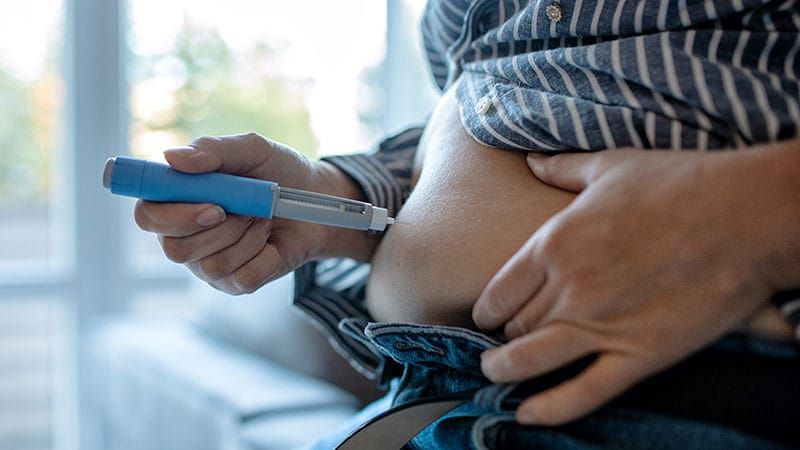
GLP-1 medications work best as part of a comprehensive health plan. Eating a balanced diet, staying physically active, getting adequate sleep, managing stress, and attending regular follow-up appointments all contribute to long-term success. Pharmacists and healthcare providers at Rock Ridge Pharmacy can also help patients understand proper injection techniques, manage side effects, and stay on track with their treatment plan.
Personalized Support for GLP-1 Medication Therapy
Pharmacist guidance can help patients better understand GLP-1 treatment, manage side effects, and stay consistent with therapy

Why Work With Rock Ridge Pharmacy?
At Rock Ridge Pharmacy, we understand that GLP-1 therapy involves more than weight management alone. These medications can affect blood sugar, appetite, digestion, cardiovascular health, and overall metabolic wellness. Our pharmacists can help patients understand how their medication works, how to use it properly, and what side effects or medication interactions should be discussed with their healthcare provider.
Whether a patient is beginning treatment, adjusting to a new dose, or experiencing nausea, constipation, reduced appetite, or other concerns, our team is committed to providing thoughtful medication support. Pharmacist guidance can help improve confidence, adherence, and communication with prescribers as part of a safe and individualized GLP-1 treatment plan.
Final Thoughts: GLP-1 Medications Offer Benefits Beyond the Scale
GLP-1 medications have become an important treatment option for many people living with type 2 diabetes, obesity, and related metabolic conditions. While weight loss often receives the most attention, these therapies may also improve blood sugar control, support heart health, and provide additional metabolic benefits for eligible patients. Because every individual's medical history and treatment goals are different, GLP-1 therapy should always be prescribed and monitored by a qualified healthcare provider. Working closely with your physician and pharmacist can help ensure safe use, effective treatment, and the best possible long-term outcomes.
Frequently Asked Questions (FAQ)
What are GLP-1 medications?
GLP-1 medications are prescription drugs that mimic the naturally occurring glucagon-like peptide-1 hormone. They help regulate blood sugar, slow stomach emptying, reduce appetite, and improve feelings of fullness. Some are approved for type 2 diabetes, while others are approved for chronic weight management in eligible patients.
Are GLP-1 medications only used for weight loss?
No. Although they are well known for supporting weight loss, GLP-1 medications were originally developed to treat type 2 diabetes. Certain medications in this class have also demonstrated cardiovascular benefits for eligible patients.
How do GLP-1 medications help lower blood sugar?
They increase insulin release when blood sugar is elevated, reduce glucagon production, and slow stomach emptying, helping reduce post-meal glucose spikes and improve overall blood sugar control.
What are the most common side effects?
Common side effects include nausea, vomiting, diarrhea, constipation, reduced appetite, bloating, and stomach discomfort. Many of these improve as your body adjusts to treatment, especially when doses are increased gradually.
Can GLP-1 medications improve heart health?
Yes. Several GLP-1 medications have been shown to reduce the risk of major cardiovascular events, such as heart attack and stroke, in certain eligible patients with cardiovascular disease or increased cardiovascular risk.
Who may be a candidate for GLP-1 therapy?
Depending on the specific medication, GLP-1 therapy may be appropriate for adults with type 2 diabetes, obesity, or overweight with weight-related medical conditions. Your healthcare provider will determine whether treatment is appropriate for your individual situation.
Do I still need to eat healthy and exercise while taking a GLP-1 medication?
Yes. GLP-1 medications work best when combined with a balanced diet, regular physical activity, healthy sleep habits, and ongoing medical follow-up.
Can I stop taking my GLP-1 medication once I reach my goal weight?
Do not stop your medication without speaking with your healthcare provider. Some patients may regain weight after discontinuing therapy, and your provider can help determine the safest long-term treatment plan.
Are GLP-1 medications safe for everyone?
No. These medications are not appropriate for every patient. Your healthcare provider will review your medical history, current medications, and potential risks before prescribing a GLP-1 medication.
How can Rock Ridge Pharmacy help with GLP-1 therapy?
Rock Ridge Pharmacy provides personalized medication counseling, answers questions about GLP-1 medications, helps patients understand proper use and potential side effects, and works alongside healthcare providers to support safe, effective treatment.
Learn More About GLP-1 Medications
GLP-1 medications offer benefits that extend beyond weight loss, including blood sugar management and cardiovascular support for eligible patients. If you have questions about how these medications work, potential side effects, or how they fit into your treatment plan, the pharmacists at Rock Ridge Pharmacy are here to provide trusted medication guidance and personalized support alongside your healthcare provider.


