
Podiatry Compounding
Compounded Treatments for Neuropathic Foot Pain
Rock Ridge Pharmacy prepares customized topical gels and other compounded dosage forms with ingredient combinations and strengths tailored to the treatment plan established by the podiatrist for burning, tingling, and other nerve-related foot discomfort.
Neuropathic Foot Pain & Customized Treatment Options
Neuropathic foot pain is nerve-related discomfort that may cause burning, tingling, shooting, stabbing, numbness, or increased sensitivity in the feet.
Neuropathic symptoms can have different underlying causes. One important example is diabetic peripheral neuropathy, which may affect nerves in the feet and contribute to persistent pain, altered sensation, or uncomfortable burning and tingling.
When commercially available options do not meet a patient's needs, a podiatrist may consider a customized compounded topical therapy. Rock Ridge Pharmacy can prepare patient-specific formulations using prescribed ingredient combinations, strengths, and dosage forms to address nerve-related foot discomfort.
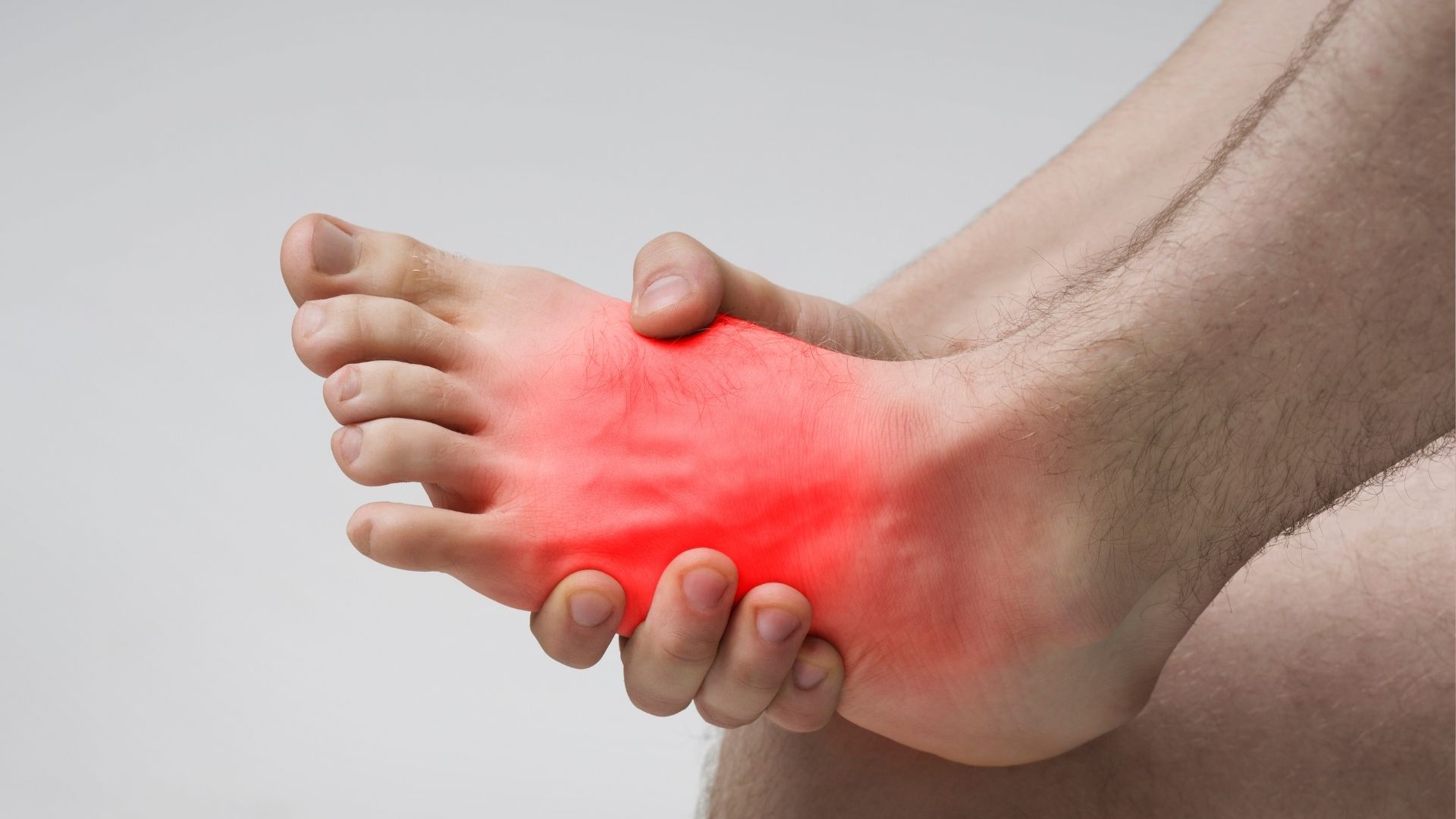
Customized Podiatry Compounding
Benefits of Customized Topical Preparations for Neuropathic Foot Pain
Compounding gives podiatrists greater flexibility when a patient with neuropathic foot pain needs a topical preparation that differs from commercially available options. Rock Ridge Pharmacy can prepare patient-specific ingredient combinations, strengths, and topical dosage forms according to the podiatrist's treatment plan.
Custom Ingredient Combinations
A podiatrist can request multiple ingredients in one compounded topical preparation when an individualized combination is appropriate for addressing nerve-related foot discomfort.
Customized Strengths
Compounding allows topical therapy to be prepared in specific strengths selected for the patient's treatment plan, giving the podiatrist greater flexibility than standardized commercially manufactured strengths may provide.
Customized Topical Dosage Forms
Rock Ridge Pharmacy can prepare prescribed neuropathic foot pain formulations in topical dosage forms such as compounded gels, depending on the formulation and the podiatrist's directions.
Localized Topical Application
Topical compounded preparations can be applied directly to the prescribed area of the foot, allowing treatment to be focused on areas affected by burning, tingling, or other nerve-related discomfort.
Individualized Treatment Approach
The podiatrist can select ingredients, strengths, and dosage forms based on the patient's individual treatment needs, including the type and location of neuropathic foot discomfort being addressed.
Patient-Specific Preparation
Rock Ridge Pharmacy prepares each compounded neuropathic foot pain medication for the individual patient's treatment plan, following the formulation and application directions established by the prescriber.
When Might a Podiatrist Consider Compounding?
A podiatrist may consider a compounded topical preparation when neuropathic foot pain requires a specific combination of ingredients, customized strength, or topical dosage form that is not readily available as a standard manufactured product.
Treatment for neuropathic foot pain should be individualized based on the underlying cause, symptoms, and treatment goals. The prescribing healthcare provider determines whether a customized topical formulation is appropriate for the patient.
Compounded Neuropathic Foot Pain Formulations
Rock Ridge Pharmacy can prepare customized topical medications for neuropathic foot pain using the ingredient combinations, strengths, and dosage forms ordered by the prescriber.

Ketamine HCl 10% / Gabapentin 6% / Nifedipine 2% / Clonidine HCl 0.2% Topical Gel
A multi-ingredient compounded topical gel that may be prescribed for localized application to areas of the foot affected by burning, tingling, or other nerve-related discomfort.

Ketoprofen 10% / Ketamine HCl 5% / Amitriptyline HCl 2% / Baclofen 2% Topical Gel
A customized topical gel combining multiple prescribed ingredients that may be used when a podiatrist wants a broader individualized approach to localized neuropathic foot discomfort.

Amitriptyline HCl 2% / Baclofen 2% Topical Gel
A two-ingredient compounded topical gel that may be prescribed for localized nerve-related foot discomfort when a simpler customized combination is appropriate for the treatment plan.
Formulation Flexibility
Customized Dosage Forms for Neuropathic Foot Pain
Compounding allows the podiatrist to specify not only the active ingredients and strengths, but also the dosage form used to deliver the medication. Rock Ridge Pharmacy prepares the form ordered for the patient's individualized treatment plan.
Topical Gels
A compounded gel can provide controlled, localized application to areas of nerve-related foot discomfort and can accommodate prescribed multi-ingredient formulations.
Customized Strengths
Compounding allows individual ingredients to be prepared in specific strengths selected by the podiatrist based on the patient's treatment needs and prescribed formulation.
Multi-Ingredient Formulations
A customized topical preparation can combine multiple prescribed ingredients in a single dosage form when the podiatrist determines that a combination approach is appropriate.
Why Dosage-Form Flexibility Matters
Commercially available products may not provide the exact combination or strength a podiatrist wants for a patient with neuropathic foot pain. Compounding allows the prescriber to request a specific topical dosage form together with customized ingredient combinations and strengths for localized treatment.
Treatment Expectations & Cost Considerations
Response Can Take Time
Improvement in neuropathic foot pain may occur gradually, and the amount of relief can vary between patients. Changes in burning, tingling, sensitivity, or other nerve-related discomfort should be monitored over time.
Consistent Application Matters
Apply the compounded topical preparation exactly as directed by your prescriber. Using too much, too little, or applying it less frequently than instructed may affect the treatment response.
Podiatrist Follow-Up
Follow-up allows the podiatrist to evaluate symptom changes and determine whether the ingredient combination, strength, dosage form, or overall treatment plan should remain the same or be adjusted.
Customized Pricing
Cost depends on the ingredients, strengths, dosage form, quantity, and complexity of the compounded topical preparation. Pricing can vary from one patient-specific formulation to another.
Call (201) 444-4190 for pricingYour podiatrist determines the appropriate treatment plan based on the cause and severity of your neuropathic foot pain. Rock Ridge Pharmacy prepares the customized formulation as directed and can answer questions about application, storage, and pharmacy-provided instructions.
Storage & Safety
Storing Your Compounded Preparation
- Follow the storage directions on your prescription label.
- Keep the medication in its original, tightly closed container.
- Protect it from excessive heat, moisture, and direct sunlight unless otherwise directed.
- Do not refrigerate or freeze unless specifically instructed by Rock Ridge Pharmacy.
- Follow the pharmacy-provided beyond-use date.
Using Your Medication Safely
Possible reactions depend on the ingredients, strengths, dosage form, and application area. Topical neuropathic pain preparations may cause localized redness, dryness, itching, burning, irritation, numbness, or sensitivity in some patients.
Apply the preparation only to the treatment area directed by your prescriber and avoid contact with the eyes, mouth, and other sensitive areas. Contact your podiatrist, healthcare provider, or pharmacist if you experience an unexpected, severe, or persistent reaction.
Your Instructions Are Formulation-Specific
Compounded topical preparations for neuropathic foot pain can differ in active ingredients, concentrations, bases, and application directions. Rock Ridge Pharmacy provides storage, handling, beyond-use date, and pharmacy-use instructions specific to the formulation prepared for you.
When to Follow Up With Your Podiatrist
Follow the schedule recommended by your podiatrist so they can evaluate changes in your symptoms and determine whether the compounded formulation, strength, dosage form, or treatment plan should be continued or adjusted.
Contact your podiatrist sooner if your nerve-related foot symptoms are worsening, spreading, becoming more painful, interfering with walking or daily activities, causing new numbness or weakness, or not improving as expected.
If you have questions about the compounded preparation itself, including application, storage, beyond-use date, or pharmacy instructions, contact Rock Ridge Pharmacy at (201) 444-4190.
FAQs About Compounded Neuropathic Foot Pain Treatments
What can Rock Ridge Pharmacy compound for neuropathic foot pain?
Rock Ridge Pharmacy can prepare patient-specific topical formulations for localized nerve-related foot discomfort. Examples include Ketamine HCl 10% / Gabapentin 6% / Nifedipine 2% / Clonidine HCl 0.2% Topical Gel, Ketoprofen 10% / Ketamine HCl 5% / Amitriptyline HCl 2% / Baclofen 2% Topical Gel, and Amitriptyline HCl 2% / Baclofen 2% Topical Gel.
What is neuropathic foot pain?
Neuropathic foot pain is discomfort associated with irritated, damaged, or dysfunctional nerves. Symptoms may include burning, tingling, shooting or stabbing sensations, numbness, increased sensitivity, or discomfort from sensations that would not normally be painful.
What does neuropathic foot pain feel like?
Symptoms vary between patients. Neuropathic foot discomfort may be described as burning, tingling, pins-and-needles sensations, shooting pain, electric-like sensations, numbness, or unusual sensitivity in one or both feet.
Is neuropathic foot pain the same as diabetic neuropathy?
Not necessarily. Diabetic peripheral neuropathy is one important cause of neuropathic symptoms in the feet, but nerve-related foot discomfort can have other causes. A healthcare provider can evaluate the symptoms and determine the underlying condition and appropriate treatment approach.
What is diabetic peripheral neuropathy?
Diabetic peripheral neuropathy is nerve damage associated with diabetes that commonly affects the feet and legs. It may contribute to burning, tingling, numbness, pain, or changes in sensation. Patients with diabetes should receive appropriate foot care and regular evaluation because reduced sensation can make foot injuries more difficult to notice.
Why might a podiatrist consider a compounded topical treatment for neuropathic foot pain?
Compounding may be considered when a podiatrist wants a specific ingredient combination, customized strength, or topical dosage form that is not readily available as a standard manufactured product. The formulation can be individualized based on the patient's treatment plan.
Why are multiple ingredients sometimes combined in one topical formulation?
Neuropathic pain can involve multiple pathways and symptoms. When appropriate for an individual treatment plan, a prescriber may request multiple active ingredients in a single compounded topical preparation rather than using separate preparations.
Why might ketamine be included in a compounded topical gel?
Ketamine may be included as one component of certain customized topical formulations for neuropathic pain. The prescriber determines whether topical ketamine, its concentration, and any accompanying ingredients are appropriate for the individual patient's treatment plan.
Why might gabapentin be included in a compounded topical formulation?
Gabapentin is commonly associated with the management of nerve-related pain. Compounding allows a prescriber to request gabapentin as part of a customized topical formulation, including a multi-ingredient preparation, when appropriate for the patient's treatment plan.
Why might amitriptyline and baclofen be combined in a topical gel?
A podiatrist may request amitriptyline and baclofen together when an individualized treatment plan calls for more than one prescribed ingredient in a localized topical dosage form. Rock Ridge Pharmacy prepares the ingredients and strengths specified by the prescriber.
Why might ketoprofen be included in a compounded neuropathic foot pain formulation?
Ketoprofen is a nonsteroidal anti-inflammatory drug. A prescriber may include it in a multi-ingredient compounded topical formulation when the patient's treatment plan calls for both nerve-related and inflammatory components of discomfort to be addressed.
Why might nifedipine or clonidine be included in a compounded topical gel?
Nifedipine and clonidine may be incorporated into certain customized topical preparations as part of a multi-ingredient treatment approach. Whether either ingredient is appropriate, and at what concentration, depends on the specific formulation and clinical goals established by the prescriber.
Where should a compounded topical gel for neuropathic foot pain be applied?
Apply the medication only to the treatment area specified by your prescriber and pharmacy instructions. The amount, frequency, and application area can differ depending on the formulation, so follow the directions provided for your individual medication.
How quickly does a compounded topical treatment work for neuropathic foot pain?
Treatment response varies between patients and depends on factors such as the underlying cause of the neuropathic symptoms, severity of discomfort, prescribed formulation, application schedule, and individual response. Follow-up with the prescriber helps determine whether treatment should be continued or adjusted.
What side effects are possible with compounded topical neuropathic pain medications?
Possible reactions depend on the ingredients, concentrations, dosage form, and application area. Some patients may experience localized redness, dryness, itching, burning, irritation, numbness, or sensitivity. Contact your healthcare provider or pharmacist if you experience an unexpected, severe, or persistent reaction.
Can the strength of a compounded neuropathic foot pain medication be customized?
Yes. One benefit of compounding is the ability to prepare specific ingredient concentrations and combinations selected by the prescriber for the patient's individualized treatment plan.
Is compounded topical therapy appropriate for every type of foot pain?
No. Foot pain can have many causes, including nerve-related, musculoskeletal, inflammatory, vascular, and other conditions. A podiatrist or other healthcare provider should determine the underlying cause of the symptoms and whether a compounded topical formulation is appropriate.
Can Rock Ridge Pharmacy work directly with my podiatrist?
Yes. Rock Ridge Pharmacy can communicate with your podiatrist or other licensed prescriber regarding the compounded formulation, including ingredient combinations, strengths, dosage form, and preparation requirements.
How much does a compounded neuropathic foot pain medication cost?
Pricing depends on the ingredients, strengths, dosage form, quantity, and complexity of the customized formulation. Call Rock Ridge Pharmacy at (201) 444-4190 for pricing based on your specific formulation.
How quickly can Rock Ridge Pharmacy prepare a compounded neuropathic foot pain medication?
Preparation time depends on the formulation and ingredient availability. Many compounded medications may be prepared within approximately 24–48 hours when the necessary ingredients are available. Rock Ridge Pharmacy can provide a more specific timeframe based on the formulation being prepared.