Compounded vs. Brand-Name GLP-1s: What's the Difference?
Compounded and brand-name GLP-1 medications differ in FDA approval, formulation, and dosing. Compounded preparations are not FDA-approved generics. Learn the key differences and how Rock Ridge Pharmacy can help you understand your prescribed treatment.
Introduction
If you are exploring medication for diabetes or weight management, you may have encountered both brand-name GLP-1 products and compounded preparations. Are they the same? Does a lower price mean the same treatment? Compounded medications are not FDA-approved generic versions of brand-name drugs. FDA-approved products undergo review of their safety, effectiveness, and quality, while compounded preparations do not undergo that approval process. The FDA’s guide to unapproved GLP-1 medications explains these differences, along with concerns about ingredients, dosing errors, and products sold through unreliable sources.
Compounding can address certain individual medical needs, but it is subject to specific legal restrictions. A prescription or lower price alone does not establish that a compounded GLP-1 preparation is appropriate or legally permitted. The FDA’s explanation of GLP-1 compounding rules describes how resolved drug shortages affect those restrictions. At Rock Ridge Pharmacy, our pharmacists work with prescribers to review individual prescription needs and explain medication instructions. Visit our compounding services page to learn how medication customization works, or contact our pharmacy team to discuss your prescription and confirm current options. Understanding approval, formulation, and dosing can help you have a more informed conversation with your healthcare provider.
Understanding GLP-1 Medications
GLP-1 medications act on a pathway involved in blood sugar control and appetite. Certain products are approved for type 2 diabetes, weight management, or other specific uses. Familiar brand names include Ozempic® and Wegovy®, which contain semaglutide, and Mounjaro® and Zepbound®, which contain tirzepatide. Tirzepatide acts on both GIP and GLP-1 receptors, so it is technically a dual-action medication.
A brand name identifies a particular approved product—not just an ingredient. Products can differ in approved uses, strength, formulation, and instructions. Your provider chooses a treatment based on your health needs. The FDA’s Drugs@FDA database lets you search a medication’s name to find its approval information and official labeling.
Brand-Name vs. Compounded: Approval and Evidence
FDA-approved brand-name medications undergo review of the specific product’s safety, effectiveness, and quality. Compounded preparations do not undergo this FDA approval process and are not FDA-approved generics. They should not be assumed to deliver the same results as a brand-name product. Research on an approved injection or tablet cannot automatically establish how a compounded preparation, especially one taken by a different route, will perform. The FDA’s explanation of compounded drug benefits and risks helps patients understand why customization and FDA approval are separate issues.
What Does Compounding Actually Customize?
Compounding involves preparing a medication to address a specific medical need when a suitable commercial product cannot meet that need. Rock Ridge Pharmacy’s compounding services page explains the general ways medications can be customized. These capabilities do not mean every GLP-1 formulation is appropriate or legally available.
- Strength adjustments when a prescriber identifies a patient-specific need and applicable rules permit the preparation
- Ingredient changes to address a documented problem with a particular inactive ingredient when feasible
- Dosage-form changes when clinically justified, technically suitable, and legally permitted
- Individual prescription review to assess the proposed formulation and medical need
- Prescriber–pharmacist coordination to clarify instructions and treatment goals
Customization does not guarantee fewer side effects, better absorption, or greater weight loss. Adding another ingredient, such as a vitamin, also does not by itself prove that a preparation works better or qualifies for a compounding exception. Ask what specific medical need the change addresses and what evidence supports it.
Dosing, Ingredients, and Packaging Can Differ
Some approved injections use manufacturer-designed pens, while compounded preparations may use vials or other packaging. Concentrations and measuring instructions can vary. The FDA’s alert about compounded semaglutide dosing errors explains how confusion between milligrams, milliliters, and syringe markings has caused overdoses, including cases requiring hospitalization.
- Milligrams (mg) describe the amount of medication
- Milliliters (mL) describe the volume of liquid
- Concentration (mg/mL) describes how much medication is in each milliliter
- Syringe “units” are markings whose relationship to your medication dose depends on the syringe and concentration
- Ingredient identity matters: FDA says semaglutide sodium and semaglutide acetate are different active ingredients from the one in approved drugs and identifies concerns about their use in compounding
Discussing GLP-1 Options With Rock Ridge Pharmacy
Rock Ridge Pharmacy’s website includes information about compounded semaglutide preparations. Before relying on a listed option, ask the pharmacy to confirm current availability, formulation details, and whether your prescription can be filled under applicable rules. The team can help you discuss the following questions with your prescriber:
- What preparation is being considered? The pharmacy’s compounded semaglutide page describes listed injectable options; confirm current details directly with the team
- Is the administration route different? Its oral semaglutide drops page describes a compounded sublingual preparation; this should not be assumed equivalent to an approved tablet or injection
- Why is customization needed? Ask which individual medical need the proposed preparation addresses
- How will I take it? Request clear written directions and a demonstration if measuring an injectable dose
- What follow-up is required? Discuss monitoring, side effects, storage, and what to do if instructions are unclear
Use Rock Ridge Pharmacy’s contact page to reach the team about your prescription. Never carry over syringe markings or dosing instructions from another product without having your pharmacist verify them.
Availability, Compounding Rules, and Cost
Compounded GLP-1 medications are not a routine substitute simply because a brand-name product costs more. FDA has determined that the semaglutide and tirzepatide injection shortages are resolved, which affects the legal basis for making copies of approved products. Any proposed preparation must meet applicable compounding requirements. The FDA’s GLP-1 supply and compounding policy updates explain these restrictions. For cost comparisons, ask about your actual insurance coverage, prior authorization requirements, medication price, supplies, and follow-up costs. Confirm current pricing rather than assuming a compounded option will be cheaper.
Make an Informed Decision With Your Healthcare Team
Before starting or switching treatment, ask: Is this specific product FDA-approved? Why is it appropriate for me? Who prepares or dispenses it? What are the exact instructions? How will my response be monitored? Obtain prescription medication through a licensed pharmacy, and avoid products labeled “for research use” or “not for human consumption.” The FDA’s GLP-1 patient safety guidance explains warning signs involving unapproved, fraudulent, and illegally marketed products. Your prescriber and pharmacist can help you evaluate treatment suitability and understand the instructions before your first dose.
Personalized Guidance for Your GLP-1 Prescription
Understand your medication options with support from Rock Ridge Pharmacy
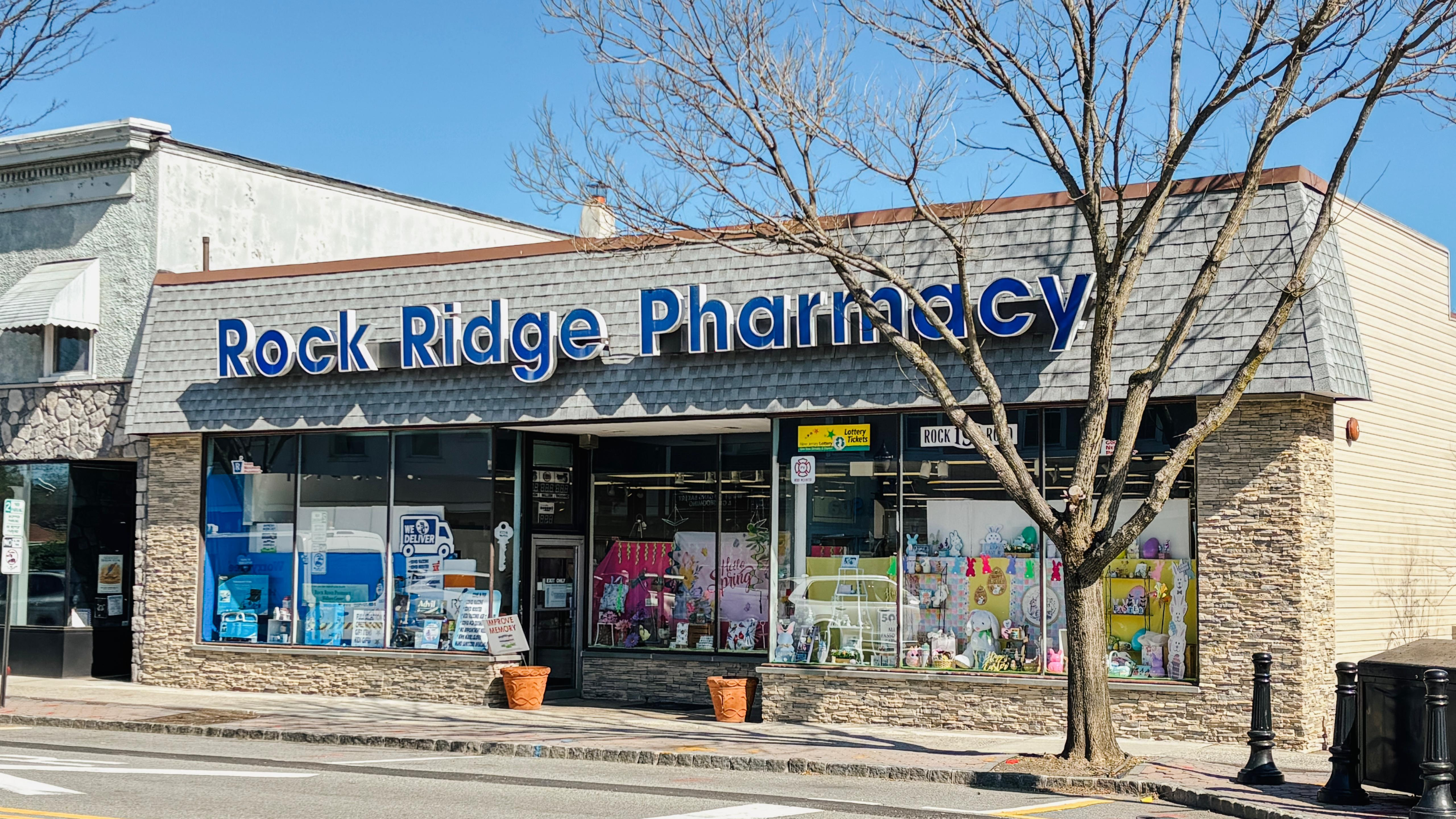
Why Work With Rock Ridge Pharmacy?
At Rock Ridge Pharmacy, our pharmacists work with prescribers to review your medication needs and explain dosing, storage, and safe use.
When compounding is medically appropriate and legally permitted, our team can assess personalized options. Compounded GLP-1 preparations are not FDA-approved generics of brand-name medications.
Final Thoughts: Understand the Differences Before Choosing
Brand-name and compounded GLP-1 medications differ in important ways. Compounded preparations are not FDA-approved generics, and equivalent results should not be assumed. When a specific medical need warrants consideration of compounding, your prescriber and pharmacist must review suitability and applicable rules. Rock Ridge Pharmacy can help you understand your prescription and medication instructions. Speak with your healthcare provider before switching products or changing your dose.
Frequently Asked Questions (FAQ)
What is the main difference between compounded and brand-name GLP-1 medications?
Brand-name products are FDA-approved medications with specific formulations, approved uses, and instructions. Compounded preparations are made to address individual medical needs under applicable compounding rules. They do not undergo FDA premarket review for safety, effectiveness, or quality.
Are compounded GLP-1 medications generic versions of Ozempic or Wegovy?
No. Compounded preparations are not FDA-approved generics of Ozempic, Wegovy, or other brand-name products. They have not undergone the approval process required to establish a generic medication’s equivalence to its reference product.
Do compounded GLP-1 preparations work as well as brand-name products?
Equivalent results should not be assumed. Studies supporting an approved product do not automatically establish the effectiveness of a compounded preparation. Differences in formulation, concentration, ingredients, or administration route may affect how a medication performs.
When can a compounded GLP-1 medication be considered?
It may be considered when an individual medical need cannot be met by a suitable FDA-approved product and the preparation meets applicable compounding requirements. A prescription, lower price, or preference for a different form alone does not establish that compounding is legally permitted.
Are semaglutide sodium and semaglutide acetate the same as the ingredient in approved medications?
No. FDA identifies these salt forms as different active ingredients from the one used in approved semaglutide drugs. FDA says it lacks information establishing the same chemical and pharmacologic properties and is not aware of a lawful basis for their use in compounding.
Are compounded oral or sublingual preparations equivalent to approved tablets or injections?
No equivalence should be assumed. A preparation swallowed or placed under the tongue may be absorbed differently from an approved tablet or injection. A compounded product is not FDA-approved, and changing the administration route does not establish comparable effectiveness or fewer side effects.
Why can dosing instructions differ between products?
Products may have different concentrations and measuring devices. Milligrams describe the amount of medication, while milliliters describe liquid volume. Syringe markings must be interpreted using the specific concentration and syringe. Have your pharmacist verify the instructions before use; never copy another product’s syringe markings.
Are compounded GLP-1 medications always cheaper or covered by insurance?
No. Prices and insurance coverage vary. Compare your actual out-of-pocket costs, including medication, supplies, and follow-up visits. A lower price does not establish that a compounded preparation is equivalent, medically appropriate, or legally available.
Can I switch from a brand-name product to a compounded preparation on my own?
No. Discuss any switch with your prescriber and pharmacist first. They must review the proposed product, dose, concentration, administration route, and timing. Do not assume doses are interchangeable or take both products together unless specifically instructed by your prescriber.
How can Rock Ridge Pharmacy help with my GLP-1 prescription?
Rock Ridge Pharmacy can help you understand your prescription, dosing instructions, storage, and safe use. The team can coordinate with your prescriber to assess individual medication needs and confirm current options, including whether a compounded preparation is medically appropriate and legally permitted.
Have Questions About Your GLP-1 Prescription?
Rock Ridge Pharmacy can help you understand medication differences, dosing, and safe use. Our pharmacists work with your prescriber to review individual needs and discuss compounding only when medically appropriate and legally permitted.


