
Alopecia Areata Treatment: Managing Autoimmune Hair Loss
Alopecia areata is an autoimmune condition that causes sudden, patchy hair loss on the scalp, face, or body. Learn how corticosteroids and topical immunotherapy work to calm immune activity, support hair regrowth, and help patients manage this unpredictable condition with informed, evidence-based care.
Introduction
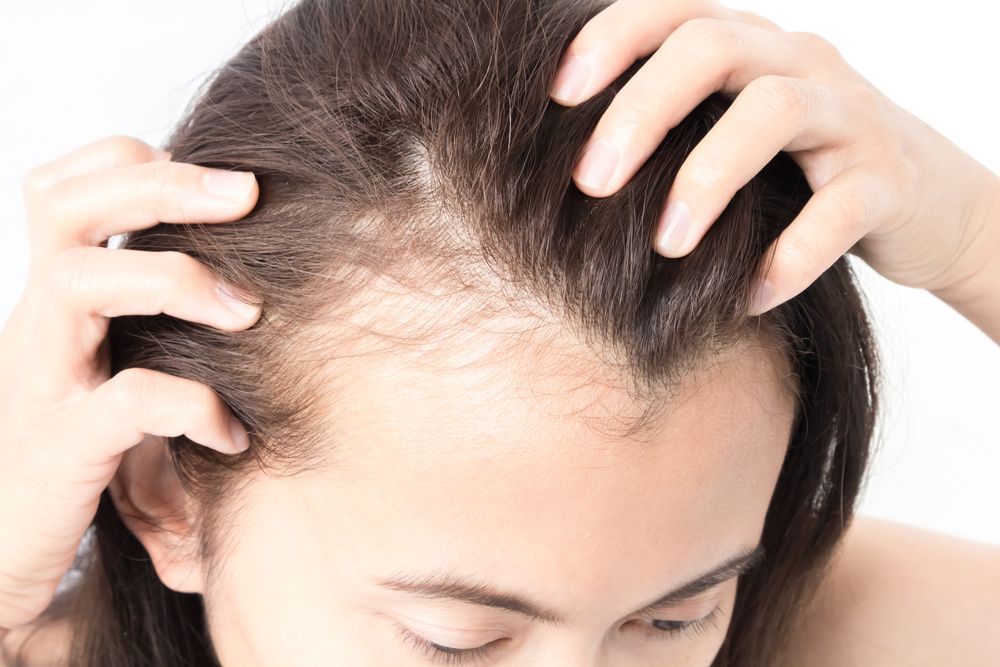
Alopecia areata is a common autoimmune condition that causes sudden, patchy hair loss on the scalp, face, or other areas of the body. Unlike genetic or scarring forms of hair loss, alopecia areata occurs when the immune system mistakenly targets hair follicles, interrupting the normal hair growth cycle.
Although alopecia areata is not physically harmful, its unpredictable nature can be emotionally distressing. Understanding how medical treatments such as corticosteroids and topical immunotherapy work allows patients to make informed decisions and pursue evidence-based options that support hair regrowth and long-term management of autoimmune hair loss.
What Is Alopecia Areata?
Alopecia areata is an autoimmune condition in which the immune system mistakenly targets hair follicles, pushing them into a resting phase and interrupting normal hair growth. This results in sudden, round or oval patches of hair loss most commonly affecting the scalp, beard area, eyebrows, or eyelashes.
Importantly, hair follicles are not permanently destroyed. Regrowth is possible—even after significant loss—making early and appropriate treatment a key factor in successful management.
Why Early Treatment Matters
Early intervention can help suppress immune activity around the hair follicle before long-term or recurrent patterns are established. While mild cases may resolve on their own, many patients benefit from medical therapy to encourage regrowth, reduce inflammation, and minimize future episodes.
Corticosteroid Therapy: First-Line Treatment
Intralesional corticosteroid injections are often considered first-line therapy for localized, patchy alopecia areata. Small amounts of medication are injected directly into affected areas of the scalp to suppress immune activity at the follicle level.
- Targeted immune suppression
- Higher success rates for small patches
- Minimal systemic absorption
Regrowth often begins within several weeks, though repeat treatments may be necessary. Topical corticosteroids may be used when injections are not tolerated or in pediatric patients, though effectiveness can vary based on severity and consistency of use.
Topical Immunotherapy: Resetting the Immune Response
Topical immunotherapy involves applying agents that intentionally create a mild allergic reaction on the scalp. This process redirects immune activity away from the hair follicles, allowing regrowth to occur over time.
- Often used for more extensive or treatment-resistant alopecia areata
- Requires close supervision by a dermatologist
- Gradual dose adjustments over time
Combination and Adjunctive Approaches
Many patients respond best to an individualized combination strategy, which may include corticosteroids, topical immunotherapy, supportive topical treatments, and addressing contributing factors such as stress, nutritional deficiencies, or coexisting autoimmune conditions.
Managing Expectations and Emotional Health
Alopecia areata can be unpredictable. Even with treatment, relapses may occur. Hair regrowth often begins as fine, light-colored hair and may take months to fully thicken. Ongoing management—not one-time treatment— is often required.
Medication and Treatment Guidance
At Rock Ridge Pharmacy, pharmacists support patients undergoing alopecia areata treatment by reviewing topical and injectable medications, coordinating with dermatologists on compounded therapies, and helping patients remain consistent with treatment plans.
Custom Alopecia Areata & Hair Loss Compounding
Personalized autoimmune hair loss support, guided by dermatology-focused pharmaceutical care

Why Choose Rock Ridge Pharmacy?
At Rock Ridge Pharmacy, our pharmacists collaborate closely with dermatologists and healthcare providers to support patients undergoing treatment for alopecia areata and autoimmune-related hair loss. We prepare customized compounded formulations designed to complement corticosteroid therapy, topical immunotherapy, and other provider-directed treatment plans.
Our compounding services include custom topical solutions, scalp-supportive therapies, and adjunct formulations tailored for sensitive or inflamed scalps. Each prescription is reviewed for appropriate strength, tolerability, and compatibility with ongoing dermatologic care—helping patients remain consistent and supported throughout treatment.
Final Thoughts: Managing Alopecia Areata With Informed Care
Alopecia areata can be unpredictable, but it is also treatable. Immunotherapy and corticosteroid-based treatments remain central tools for managing immune activity and supporting hair regrowth, especially when started early. Working closely with a healthcare provider — and a knowledgeable pharmacist — helps ensure therapies are used safely, consistently, and effectively over time.
Frequently Asked Questions (FAQ)
What is alopecia areata?
Alopecia areata is an autoimmune condition in which the immune system mistakenly attacks hair follicles, causing sudden, patchy hair loss on the scalp, face, or body. Hair follicles are not permanently damaged, making regrowth possible.
Is alopecia areata permanent?
Not usually. Many individuals experience partial or complete hair regrowth, especially with early treatment. However, alopecia areata can be episodic, with periods of hair loss and regrowth over time.
What are first-line treatments for alopecia areata?
Corticosteroid therapy is commonly used as first-line treatment. This may include intralesional injections for small patches or high-potency topical corticosteroids when injections are not appropriate.
How do corticosteroid injections work?
Intralesional corticosteroids suppress immune activity directly around the hair follicle. This targeted approach often leads to regrowth within several weeks and has minimal systemic absorption.
What is topical immunotherapy?
Topical immunotherapy intentionally creates a mild allergic reaction on the scalp to redirect immune activity away from hair follicles. It is typically used for more extensive or treatment-resistant alopecia areata.
How long does treatment take to show results?
Regrowth often begins as fine, light-colored hair within a few months. Full thickening and pigmentation may take longer, and ongoing management may be required.
Can alopecia areata return after treatment?
Yes. Relapses can occur even after successful regrowth. Alopecia areata is a chronic autoimmune condition, and long-term monitoring may be necessary.
Do stress or nutrition affect alopecia areata?
Stress does not directly cause alopecia areata, but it may contribute to flares. Nutritional deficiencies, inflammation, or hormonal imbalance can also influence treatment response.
How can a pharmacist help with alopecia areata treatment?
Rock Ridge Pharmacy supports patients by reviewing topical and injectable therapies, counseling on proper use, coordinating compounded treatments, and helping patients stay consistent with care plans.
When should treatment be re-evaluated?
If there is minimal response after several months or hair loss progresses, a healthcare provider may reassess the diagnosis, treatment strategy, or explore additional options.
Guidance for Alopecia Areata Treatment
Managing alopecia areata often requires a thoughtful, individualized approach. Treatments such as corticosteroid therapy and topical immunotherapy are commonly used to help calm immune activity and support hair regrowth. At Rock Ridge Pharmacy, our pharmacists work closely with dermatologists to support safe medication use, compounded topical therapies, and consistent treatment plans.


