
Compounded Azathioprine for Dogs
Rock Ridge Pharmacy compounds azathioprine for dogs requiring immune system suppression. Sugar-free, flavored, and custom strengths — prepared under pharmacist supervision in Glen Rock, NJ.
Quick Reference
What Is Azathioprine?
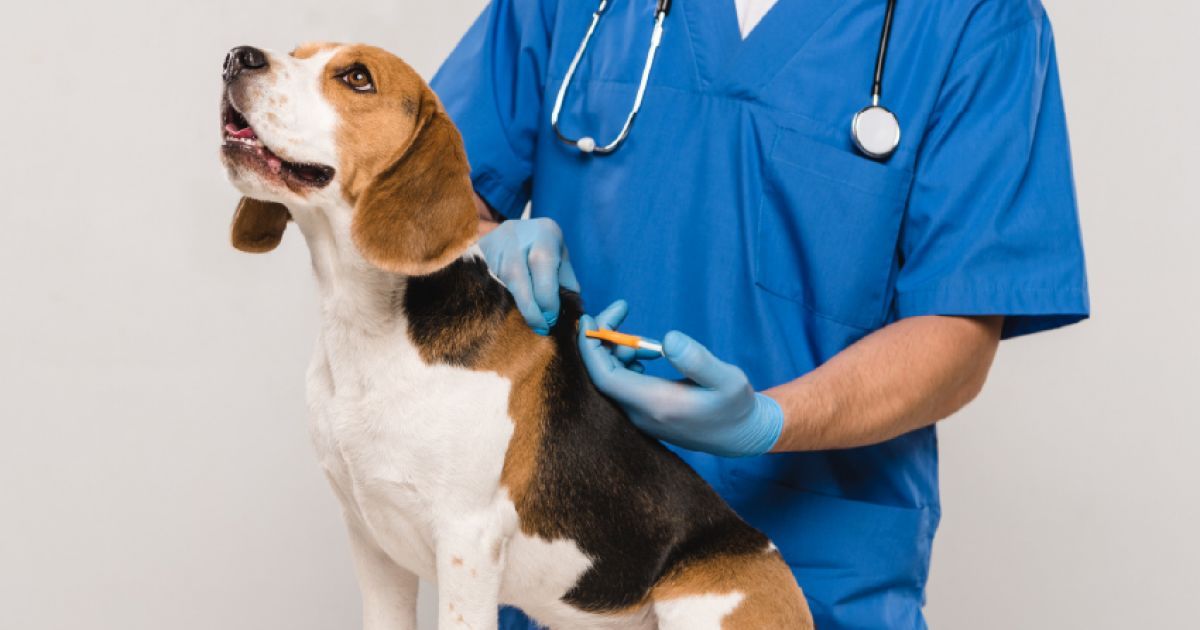
Azathioprine is an immunosuppressive medication used in veterinary medicine to manage autoimmune and immune-mediated conditions in dogs. It works by suppressing abnormal immune responses that cause inflammation and tissue damage. Compounded formulations allow veterinarians to prescribe precise doses tailored to each dog’s weight and clinical condition.
How Azathioprine Works in Dogs
Azathioprine interferes with DNA synthesis in rapidly dividing immune cells, reducing the production of lymphocytes responsible for autoimmune activity. This helps control excessive immune responses in conditions such as immune-mediated hemolytic anemia, inflammatory bowel disease, and certain skin disorders.
Veterinary Dosage Forms & Flavors
Our compounded azathioprine suspensions are prepared for accurate dosing and improved administration.
Dosage Form
Sugar-free oral oil suspension designed for stability and accuracy.
Strengths
Custom concentrations compounded per veterinary prescription.
Flavors
Pet-friendly flavors to improve compliance when long-term therapy is required.
Why Choose Rock Ridge Pharmacy?

Tailored Veterinary Formulations
Custom dosing to support complex immune-mediated conditions.

USP-Compliant Compounding Lab
All prescriptions prepared following FDA veterinary compounding guidance.

Veterinarian Trusted
Trusted by veterinarians for accurate immunosuppressive therapy.

Fast Turnaround
Most compounded prescriptions are ready within 24–48 hours.
Key Benefits
- Helps control immune-mediated disease activity.
- May reduce reliance on long-term corticosteroids.
- Supports chronic condition management.
- Custom dosing improves safety.
Safety
- Regular blood monitoring is required.
- May cause bone marrow suppression or liver enzyme elevation.
- Not recommended for cats.
Storage
- Store at room temperature (68°F–77°F).
- Shake well before each use.
- Protect from moisture and light.
- Keep tightly closed and out of reach of children & pets.
Cost
Pricing depends on strength, volume, and flavor. Every compounded azathioprine suspension is prepared to order to ensure quality and safety.
Disclaimer: The dosage forms above represent typical compounded options available at Rock Ridge Pharmacy. All formulations are prepared per prescription and may vary based on the veterinarian’s directions. This information is provided for educational purposes only and is not a substitute for professional veterinary guidance. Always follow your veterinarian’s prescription instructions.
We’re Here to Help — Contact Rock Ridge Pharmacy
Choose the option below to connect with our veterinary compounding team for Azathioprine.
Support for Pet Owners
Managing immune-mediated conditions in pets can be complex. Rock Ridge Pharmacy is here to help support Azathioprine therapy with customized compounding and pharmacist-guided care you can trust.
Easier Administration
Our compounded Azathioprine formulations are designed to help make long-term immune therapy easier for pets, reducing stress during routine dosing.
Precise, Customized Dosing
Each prescription is compounded according to your pet’s weight, condition, and veterinary guidance to support safe and consistent immunosuppressive therapy.
Pharmacist Support You Can Trust
Our compounding pharmacists are available to answer questions about dosing schedules, administration, monitoring requirements, and potential side effects—so you feel confident supporting your pet’s treatment plan.
Together, we help your dog achieve effective immune system control and improved quality of life with properly compounded Azathioprine therapy.
FAQs About Compounded Azathioprine
What is compounded Azathioprine?
Compounded Azathioprine is a veterinarian-prescribed immunosuppressive medication used primarily in dogs to manage immune-mediated and inflammatory conditions.
Why is Azathioprine compounded for pets?
Commercial tablets may not allow for accurate dosing based on a pet’s size or treatment plan. Compounding allows Rock Ridge Pharmacy to prepare customized strengths and dosage forms according to your veterinarian’s prescription.
How does Azathioprine work?
Azathioprine works by suppressing the immune system through inhibition of purine synthesis, which reduces the activity of immune cells involved in autoimmune and inflammatory diseases.
What conditions is Azathioprine used to treat?
In veterinary medicine, Azathioprine is most commonly used in dogs to treat conditions such as immune-mediated hemolytic anemia (IMHA), inflammatory bowel disease, lupus, and other autoimmune disorders.
Is compounded Azathioprine flavored?
Yes. When compounded as an oral suspension, Azathioprine may be flavored with pet-friendly options to improve acceptance and ease of administration.
Is Azathioprine safe for cats?
Azathioprine is generally contraindicated in cats due to the risk of severe bone marrow suppression. It should only be used in cats if explicitly directed and closely monitored by a veterinarian.
Is compounded Azathioprine safe?
When prescribed and closely monitored by a veterinarian, compounded Azathioprine can be used safely in appropriate patients. All prescriptions are prepared using pharmaceutical-grade ingredients in our USP <795> and <800> compliant lab under pharmacist supervision.
Are there any side effects?
Possible side effects may include vomiting, diarrhea, decreased appetite, liver enzyme elevations, or bone marrow suppression. Routine bloodwork is essential to monitor for adverse effects.
How should Azathioprine be given?
Administer exactly as prescribed by your veterinarian, typically once daily or every other day depending on the condition and response. Do not adjust or discontinue therapy without veterinary guidance.
How should compounded Azathioprine be stored?
Store at room temperature (68–77°F), away from heat and direct light unless otherwise instructed. Shake liquid suspensions well before each use.
How long does it take to compound Azathioprine?
Most Azathioprine prescriptions are prepared within 24–48 hours. In-store pickup and statewide New Jersey delivery are available.
Can my veterinarian send the prescription directly?
Yes. Veterinarians may e-scribe to “Rock Ridge Pharmacy,” fax to 201-444-2698, or call 201-444-4190.
Does Rock Ridge Pharmacy deliver compounded Azathioprine?
Yes. We provide statewide delivery across New Jersey as well as convenient local pickup at our Glen Rock location.
How much does compounded Azathioprine cost?
Pricing varies based on dosage form, strength, and quantity prescribed. For a personalized quote, email us or call 201-444-4190.
Where is Rock Ridge Pharmacy located?
We are located at 191 Rock Road, Glen Rock, NJ 07452. Our veterinary compounding team proudly serves pets and families across New Jersey with precision, safety, and care.