
Compounded Cisapride for Dogs & Cats
Rock Ridge Pharmacy compounds cisapride to support gastrointestinal motility in pets. Sugar-free, flavored, and custom strengths — prepared under pharmacist supervision in Glen Rock, NJ.

Quick Reference
What Is Cisapride?
Cisapride is a prokinetic medication used in veterinary medicine to enhance gastrointestinal motility. It is commonly prescribed for pets with chronic constipation, delayed gastric emptying, or megacolon. Because cisapride is no longer commercially available, it must be compounded for veterinary use.
How Cisapride Works in Pets
Cisapride works by stimulating serotonin (5-HT4) receptors in the gastrointestinal tract, which increases coordinated muscle contractions and improves forward movement of intestinal contents. This action helps relieve constipation and supports normal bowel function in affected pets.
Veterinary Dosage Forms & Flavors
Our compounded cisapride suspensions are customized to ensure accurate dosing and improved compliance.
Dosage Form
Sugar-free oral oil suspension for stability and palatability.
Strengths
Custom concentrations prepared per veterinary prescription.
Flavors
20+ pet-friendly flavors such as chicken, beef, and tuna.
Why Choose Rock Ridge Pharmacy?

Tailored Veterinary Formulations
Custom strengths and flavors designed for GI-sensitive pets.

USP-Compliant Compounding Lab
All prescriptions prepared under FDA veterinary compounding guidance.

Veterinarian Trusted
Trusted by local veterinary practices for accuracy and consistency.

Fast Turnaround
Most veterinary compounded prescriptions are ready within 24–48 hours.
Key Benefits
- Improves gastrointestinal motility.
- Helps relieve chronic constipation.
- Supports management of megacolon.
- Custom dosing improves safety and tolerance.
Safety
- Use only as directed by a veterinarian.
- Monitor for diarrhea or abdominal discomfort.
- Drug interactions possible — disclose all medications.
Storage
- Keep at room temperature (68°F–77°F).
- Shake well before each use.
- Protect from excessive heat.
- Store tightly closed and out of reach of children & pets.
Cost
Pricing depends on strength, volume, and flavor. Every compounded cisapride suspension is prepared to order to ensure quality and consistency.
Disclaimer: The dosage forms above represent typical compounded options available at Rock Ridge Pharmacy. All formulations are prepared per prescription and may vary based on the veterinarian’s directions. This information is provided for educational purposes only and is not a substitute for professional veterinary guidance. Always follow your veterinarian’s prescription instructions.
We’re Here to Help — Contact Rock Ridge Pharmacy
Choose the option below to connect with our veterinary compounding team for Cisapride.
Support for Pet Owners
Managing chronic gastrointestinal motility disorders in pets can be challenging. Rock Ridge Pharmacy is here to help simplify Cisapride therapy with customized compounding and pharmacist-guided care you can rely on.
Easy to Administer
Our compounded Cisapride formulations are designed to be easier for pets to take, helping reduce stress during long-term gastrointestinal management.
Precise, Customized Dosing
Each prescription is carefully compounded based on your pet’s weight, condition, and veterinary instructions to support safe, consistent improvement in GI motility.
Pharmacist Support You Can Trust
Our compounding pharmacists are available to answer questions about administration, dosing schedules, storage, and potential side effects—so you feel confident supporting your pet’s digestive health.
Together, we help your dog or cat achieve improved digestion, comfort, and quality of life with properly compounded Cisapride therapy.
FAQs About Compounded Cisapride
What is compounded Cisapride?
Compounded Cisapride is a veterinarian-prescribed medication used to improve gastrointestinal motility in pets, most commonly cats, by helping move food and stool through the digestive tract more effectively.
Why is Cisapride compounded for pets?
Cisapride is not commercially available for veterinary use in standardized pet-friendly forms. Compounding allows Rock Ridge Pharmacy to prepare customized strengths and dosage forms tailored to your pet’s size and condition.
How does Cisapride work?
Cisapride works by stimulating serotonin (5-HT4) receptors in the gastrointestinal tract, increasing coordinated muscle contractions that enhance gastric emptying and intestinal motility.
What conditions is Cisapride commonly prescribed for?
Cisapride is most commonly prescribed for chronic constipation, megacolon, ileus, and gastrointestinal motility disorders, particularly in cats.
What dosage forms are available?
Rock Ridge Pharmacy compounds Cisapride into oral liquid suspensions and capsules to allow precise, individualized dosing. Additional dosage forms may be prepared upon veterinary request.
Is compounded Cisapride flavored?
Yes. Oral suspensions can be compounded with pet-friendly flavors to improve acceptance and ease of administration.
Is compounded Cisapride safe?
When prescribed and monitored by a veterinarian, compounded Cisapride is considered safe. All prescriptions are prepared using pharmaceutical-grade ingredients in our USP <795> and <800> compliant lab under pharmacist supervision.
Are there any side effects?
Side effects are generally uncommon but may include diarrhea, abdominal cramping, or increased bowel movements. Your veterinarian may adjust the dose if side effects occur.
How should Cisapride be given?
Administer exactly as prescribed by your veterinarian, often two to three times daily depending on the condition being treated. Do not adjust the dose without veterinary guidance.
How should compounded Cisapride be stored?
Store at room temperature (68–77°F), away from heat and direct light unless otherwise instructed. Shake liquid suspensions well before each use.
How long does it take to compound Cisapride?
Most Cisapride prescriptions are prepared within 24–48 hours. In-store pickup and statewide New Jersey delivery are available.
Can my veterinarian send the prescription directly?
Yes. Veterinarians may e-scribe to “Rock Ridge Pharmacy,” fax to 201-444-2698, or call 201-444-4190.
Does Rock Ridge Pharmacy deliver compounded Cisapride?
Yes. We provide statewide delivery across New Jersey as well as convenient local pickup at our Glen Rock location.
How much does compounded Cisapride cost?
Pricing varies based on dosage form, strength, and quantity prescribed. For a personalized quote, email us or call 201-444-4190.
Where is Rock Ridge Pharmacy located?
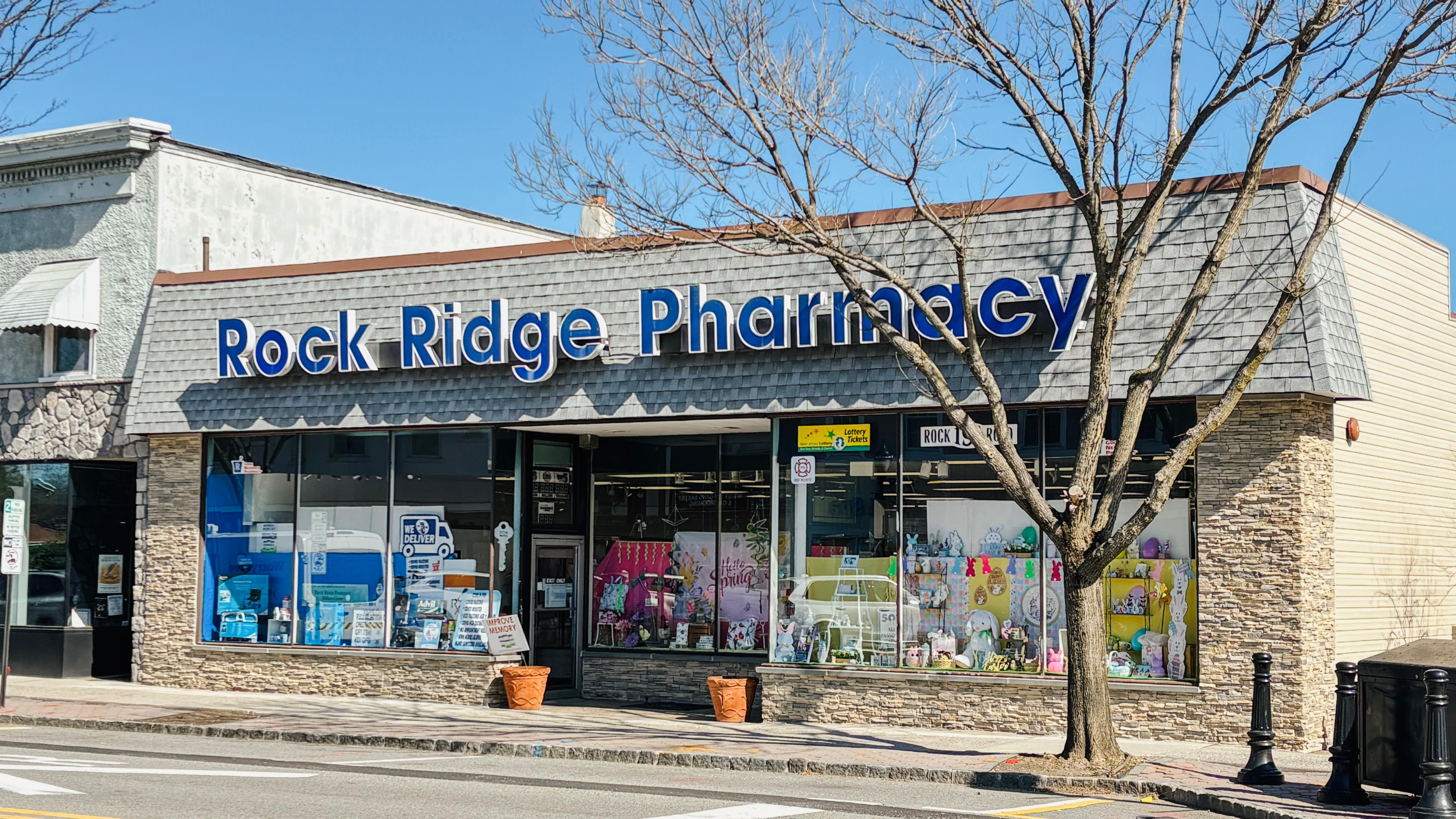
We are located at 191 Rock Road, Glen Rock, NJ 07452. Our veterinary compounding team proudly serves pets and families across New Jersey with precision, care, and reliability.